
Damaraland
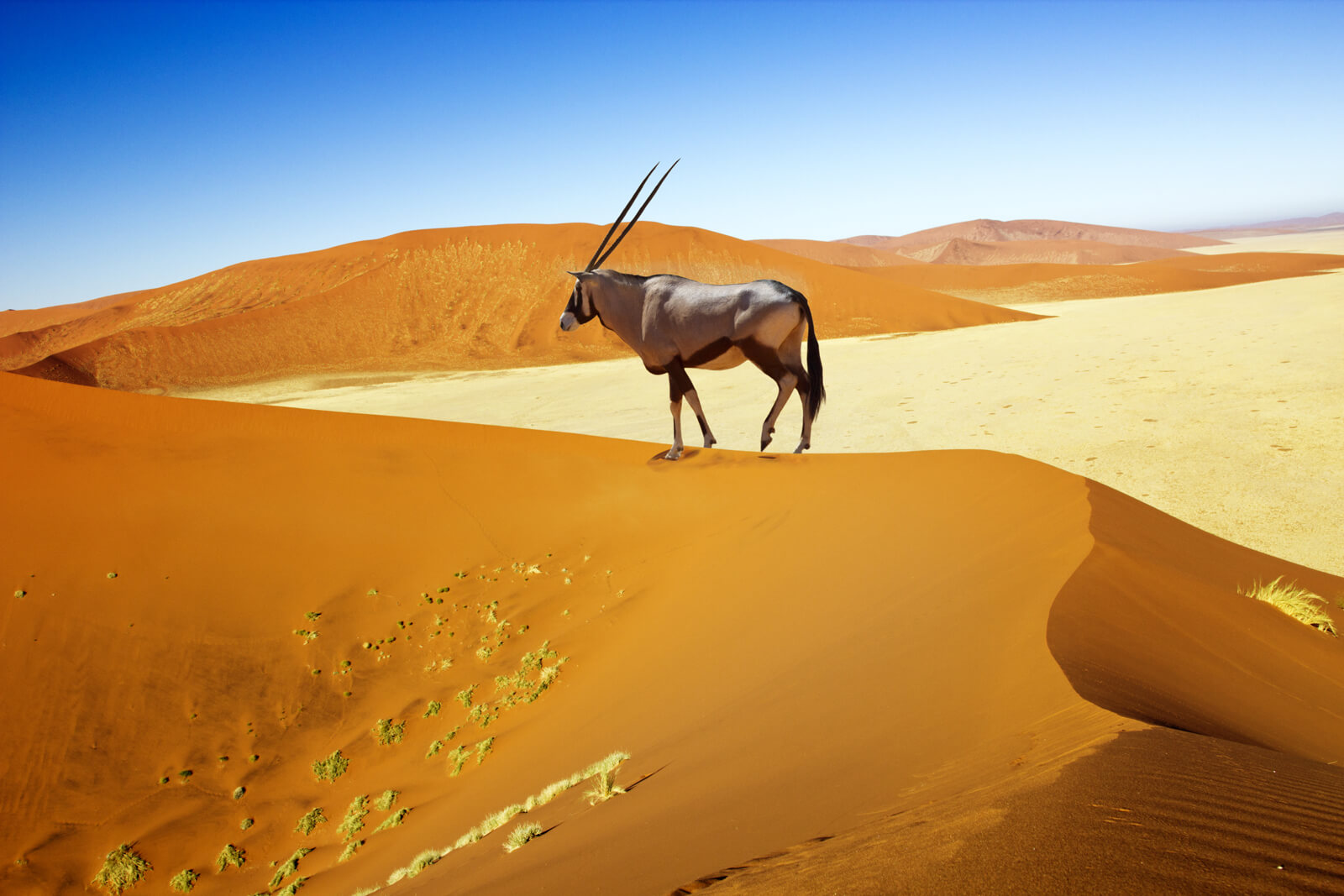
Outings are geared at exploring this vast, miraculous ecosystem with some of the most knowledgeable guides in Namibia – and of course tracking the black rhino. Aside from the desert-adapted black rhino to be found in the area, Palmwag Concession’s freshwater springs also support healthy populations of desert-adapted elephant, Hartmann’s mountain zebra, giraffe, gemsbok, springbok, kudu and predators such as lion, cheetah, leopard, and brown and spotted hyenas. Birdlife is prolific and diverse with most of Namibia’s endemics present.

Desert Rhino Camp
Desert Rhino Camp lies amongst rolling, rocky hills of the 450 000-hectare Palmwag Concession. This region is marked for its tranquil, minimalist beauty, surprising wealth of arid-adapted wildlife and the largest free-roaming black rhino population in Africa.
Set in a wide valley, accommodation at Desert Rhino Camp consists of eight raised Meru-style canvas tents with front verandas to take in the sweeping views in front dotted with scattered euphorbia and ancient welwitschia plants, and the dramatic Etendeka Mountains. The comfortable tented dining and lounge area is also elevated with partially open sides offering those panoramic views while a swimming pool provides a refreshing respite during the midday heat. Evening meals are often taken around the fire pit under the starry skies, known for their clarity.
Highlights:
- Adventurous rhino tracking activities take place daily from camp
- A surprising wealth of arid-adapted wildlife in this harsh but beautiful land
- Collaborative effort between Wilderness Safaris and the Save the Rhino Trust (SRT)
Rhino tracking on foot and by vehicle
We typically set out in the morning on game drive vehicles, behind the Save the Rhino trackers, who keep records on where and when previous rhino were seen. This enables them to track the rhino, although due to the vast terrain we sometimes drive long distances to view them. Once we have located an animal, tracking by foot can take place depending on the position or location of the rhino.
Game Drives
Game drives showcase the magnitude of the landscape and offer the best possibilities of seeing desert-adapted wildlife including rhino, elephant, giraffe, antelope, zebra and maybe even the area’s predators.
Guided nature walks
Learn more about the smaller flora and fauna that live in this incredibly harsh environment. Adaptation to the desert environment is the miracle of all that survives here.
Full day outings with picnic lunch
Travel amongst rolling, rocky hills with scattered euphorbia, ancient welwitschia plants, scrubby vegetation and isolated clumps of trees through the 450 000-hectare Palmwag Concession and search out the fascinating desert-adapted wildlife of the region.
Birding
Birding enthusiasts are sure to enjoy the diverse avifauna found in the Palmwag Concession. Key species to look out for include Rüppell’s korhaan, Benguela long-billed lark and possibly Herero chat with some focused searching. Verreauxs’ eagle is often sighted around rocky hillsides.
Skeleton Coast
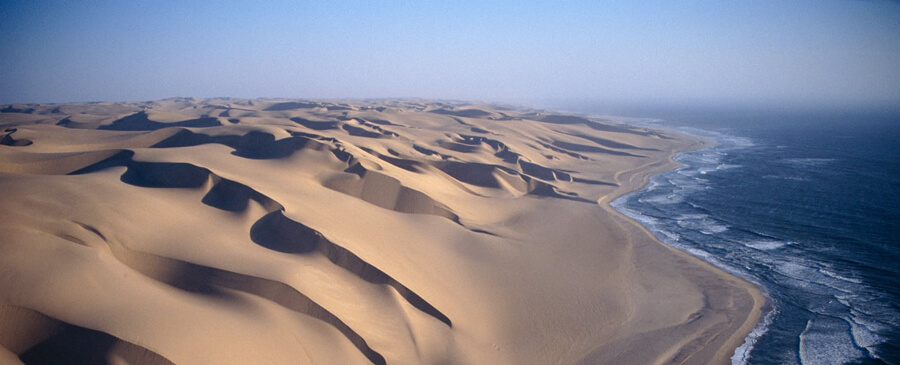
A diverse range of activities showcase the fascinating landscapes of the northern Palmwag Concession and the Skeleton Coast – including the wildlife within these areas.
Hoanib Skeleton Coast Camp’s location – close to the Skeleton Coast and within the true Namib Desert – is home to a rich diversity of wildlife, boasting the Kaokoveld’s best viewing of desert-adapted wildlife and access to vast, remote and isolated wilderness.
Almost miraculously it seems, in this stark environment, enormous elephant thrive along with giraffe, lion and brown hyaena. Gemsbok (oryx), springbok, steenbok, scrub hare, and inquisitive ground squirrel are also seen. Entirely different to the rugged mountains and valleys inland, the Skeleton Coast hosts Cape fur seals in their thousands along with black-backed jackals and brown hyaena.
Birds are equally diverse, with regular endemics like Rüppell’s korhaan, Benguela long-billed lark and lark-like bunting. Towards the coast, the bird community changes and tractrac chat can be seen, as well as jaegers and skuas found around the seal colonies.
Hoanib Skeleton Coast Camp, Skeleton Coast
Hoanib Skeleton Coast Camp is scenically located in a broad valley at the confluence of two tributaries of the dry Hoanib River in the northern part of the private Palmwag Concession. Its location thus straddles the Palmwag area and the iconic Skeleton Coast National Park, in one of the most remote areas of the Kaokoveld.
The camp consists of seven large tents and one family unit, each comprising stylish en-suite bedrooms with shaded outdoor decks. Flanked to the east and west by rugged hills, the camp looks out over stunning, starkly beautiful scenery and offers guests all the luxuries and amenities for an unforgettable stay.
Highlights:
- Vast, remote, isolated wilderness offering excellent viewing of Namibia’s distinctive desert-adapted wildlife
- Diverse activities showcase spectacular scenery, unexpected oases and enormous sand dunes
- Seal colonies that line the endless dramatic shores of the Skeleton Coast are a fascinating sight
Game drives
Nature drives showcase the magnitude of the landscape and offer the best possibilities of seeing desert-adapted wildlife. Morning or afternoon drives are available as well as full-day excursions.
Nature walks
Nature walks from camp take in the magnificent surrounds as well as glimpse the vestiges of who dwelt here hundreds of years ago: the Strandlopers (Beachcombers). It is also a good opportunity to study the smaller creatures and the fascinating plant life of the concession.
Skeleton Coast excursion
On a stay of three nights (or more) full-day excursions to the Skeleton Coast are offered. The fascinating 4×4 trip to the coast takes you via the wilderness and wildlife of the Hoanib River and floodplain, the dune fields and Klein Oasis, while the Skeleton Coast itself reveals a rocky coastline with its huge Cape fur seal colony and a few shipwreck remains. Weather dependent, a scenic flight back to camp offers a magnificent perspective of your journey from the air.
Day trips to Desert Oases
Day trips to Klein Oase and Auses Spring can be organised. These oases are a fascinating respite from the dry surrounds of the desert and offer the chance of seeing wildlife coming to drink as well as plenty of birdlife. These full-day trips are done in our semi-closed game drive vehicles, with a stop for a picnic at a scenic spot along the way.
Interaction with wildlife researchers
Presentations and interaction with wildlife researchers at the Hoanib Research Centre are on offer when researchers are in camp. These cover all current research being supported at Hoanib, in particular the vital work being done by Dr Flip Stander and his team on the unique desert-adapted lion.
Sossusvlei
Activities at Little Kulala include exploring the spectacular towering dunes of Sossusvlei as well as other fascinating geographical formations of the region. Guided drives and walks are also offered on the private Kulala Wilderness Reserve.
Desert-adapted wildlife such as ostrich, springbok and gemsbok eke out an existence and are sparsely distributed around Little Kulala. Larger carnivores, namely spotted and brown hyaena and even cheetah are occasionally present, while smaller creatures such as bat-eared fox and aardwolf can be seen at night in the cool desert air. The dune lark has its entire global distribution limited to the area, so dependent is it on the area’s characteristic sands. A wide range of insects, reptiles and rodents make their home in this arid land; the call of the barking gecko at twilight is the quintessential sound of the desert.
Little Kulala, Sossusvlei
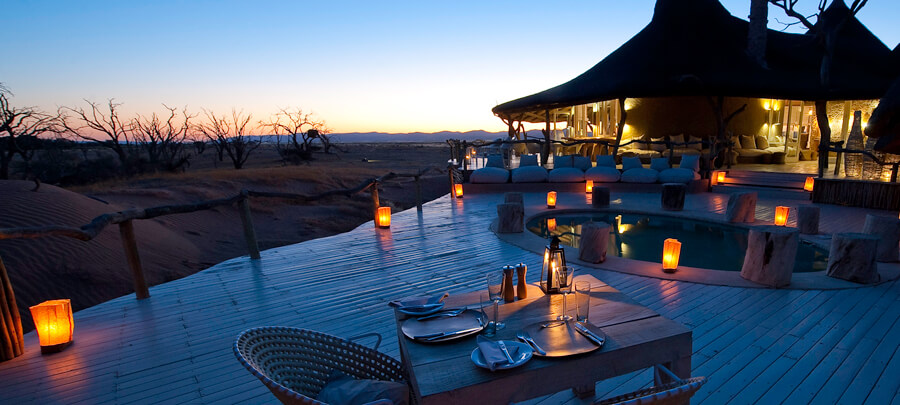
Little Kulala is situated in the private 37 000-hectare Kulala Wilderness Reserve and consists of 11 climate-controlled, thatched “kulalas” (the word means ‘to sleep’) which merge impeccably into the desert landscape, each with private plunge pool, and both indoor and outdoor showers. An elegant entertainment area includes a library, wine cellar, craft boutique, lounge and dining areas. Little Kulala’s interiors make use of neutral colours, gorgeous textures and natural light and takes its inspiration from its surroundings, notably from the magnificent Dead Vlei.
Highlights:
- Experience the spectacular dunes of Sossusvlei via our private gate
- Each ‘kulala’ has a rooftop ‘skybed’ for stargazing
- Dining under the sparkling clear Namibian skies is a speciality here.
Visit to Sossusvlei and Dead Vlei
World-famous Sossusvlei is the name of an enormous clay pan, flanked by the famous sand dunes that flush red in the early morning sun – as well as the name of the area in general. Close to the Sossusvlei pan is Dead Vlei, another pan where water once flowed, but now all that remains are the skeletons of trees reach up out of the cracked earth.
Visit Sesriem Canyon
This fascinating geographical formation is well worth a visit. The result of millions of years where water carved its way into the earth, Sesriem Canyon is today three kilometres long. Views from the top are breathtaking while walks through the canyon reveal distinct geographical layers which were laid down over aeons.
Nature drives
The 37,000 hectare private Kulala Wilderness Reserve offers visitors exclusive wildlife-viewing opportunities which include the likes of oryx, bat-eared fox, brown hyaena and birdlife. Drinks stops in scenic parts of the reserve are a highlight.
Walking Trails
Walking trails focus on becoming immersed in this remote area, as well as its scenic beauty and the fascinating, and surprisingly, diverse array of insects, reptiles and rodents which make this dry and harsh region their home. The Tsauchab River Trail takes a stroll along a fascinating dry riverbed.
Guided quad-biking
Eco-sensitive quad-biking through the private Kulala Wilderness Reserve will allow you to take in those incredible views and to catch a glimpse of the denizens of the desert.
The Sundowner tour
Set out in the late afternoon for a nature drive and complete your excursion in a remote and dramatic spot on the reserve sipping a gin and tonic while watching the sun goes down.
Scorpion night walks
After dark, another realm of the Namib awakes. Walks reveal some of these captivating critters such as dancing white lady spiders and scorpions which fluoresce under UV lights.
Star bed
Sleep out under the starry starry skies of the Namib and be lulled to sleep by the sounds of Africa on the roof or your unit.
Star gazing
The Namib is known for its clear night skies, and with no light pollution it is the ideal spot from which to learn about the incredible formations of the stars and planets. Our guides are also known to dabble in astronomy and will point out the wonders of the southern skies to you, while our spotting scope allows a closer look.
Balloon safaris
The balloon safari on the Kulala Wilderness Reserve offers a truly unique experience to soar silently above the magnificent sand dunes and desert, with a champagne breakfast being served at your landing site.
Horse riding safari
Ride through some of the most spectacular and unusual scenery on the planet on well-schooled horses. Watch the sun go down at a beautiful spot while sipping a drink and then canter back under the stars in time for dinner.