
Lessons from the Edge of the Namib
Life, fire, and continuity in the Kunene Region of Namibia
There is a moment, somewhere along the dusty road north of Opuwo, where the familiar begins to fall away. The ochre earth deepens in colour. The acacia trees thin against the horizon. Settlements, when they appear, sit low against the landscape as though they have grown from it rather than been placed upon it. What begins as a journey through a remote corner of Namibia gradually becomes something else entirely: a journey into a way of life that has endured for centuries.
Location
Kunene Region, Namibia
Coordinates
18.0631° S, 13.8402° E
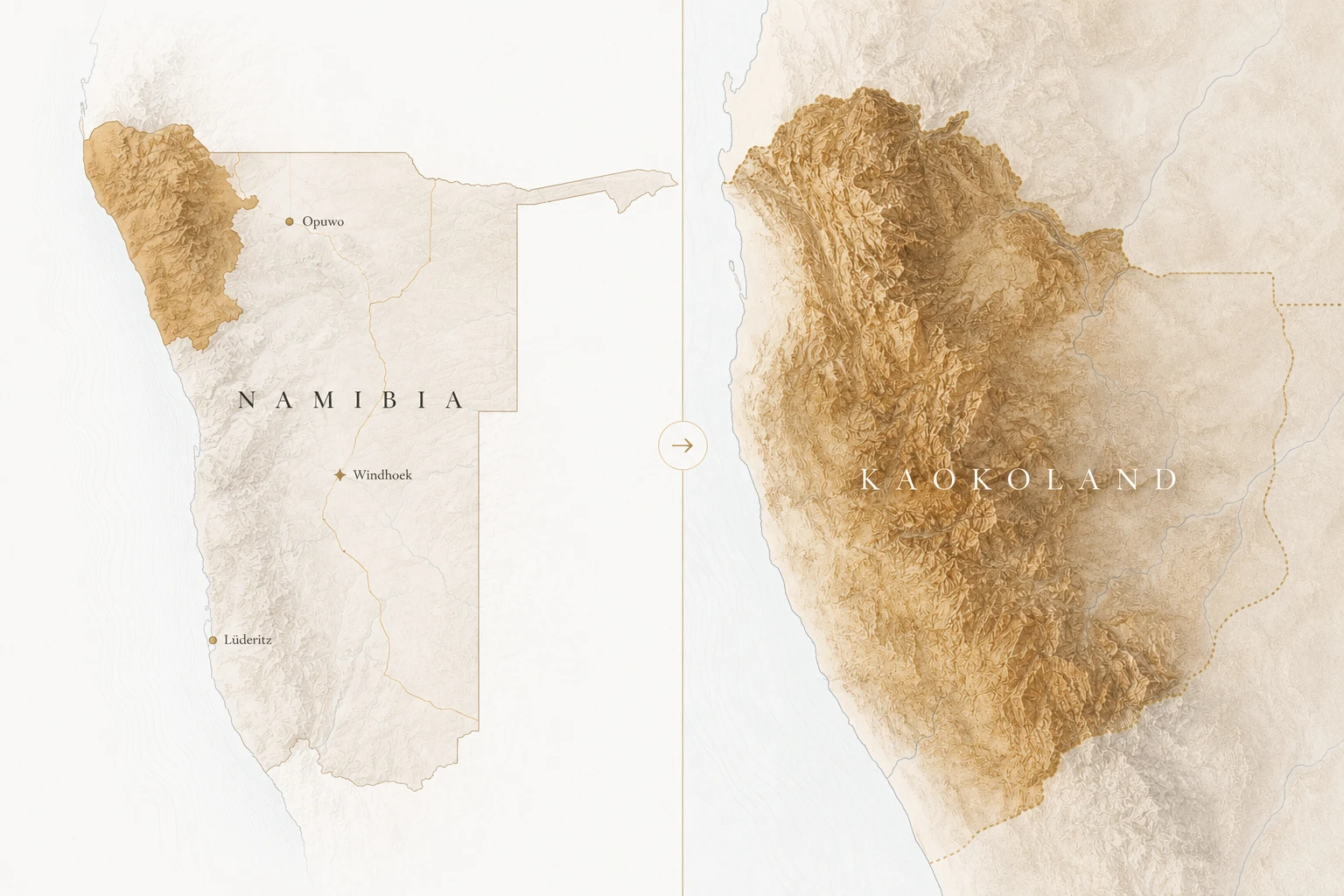
This is Kaokoland, a vast, rugged region in Namibia’s far northwest, where the landscape feels as old as the traditions it shelters. Here the Himba, one of southern Africa’s most resilient communities, have built a life around cattle, family, land, and ancestral connection. Numbering somewhere between 20,000 and 50,000 across Namibia and southern Angola, they have endured colonisation, political upheaval, and droughts severe enough to threaten their survival. What visitors meet today is not a culture preserved in time, but one still evolving, still rooted.
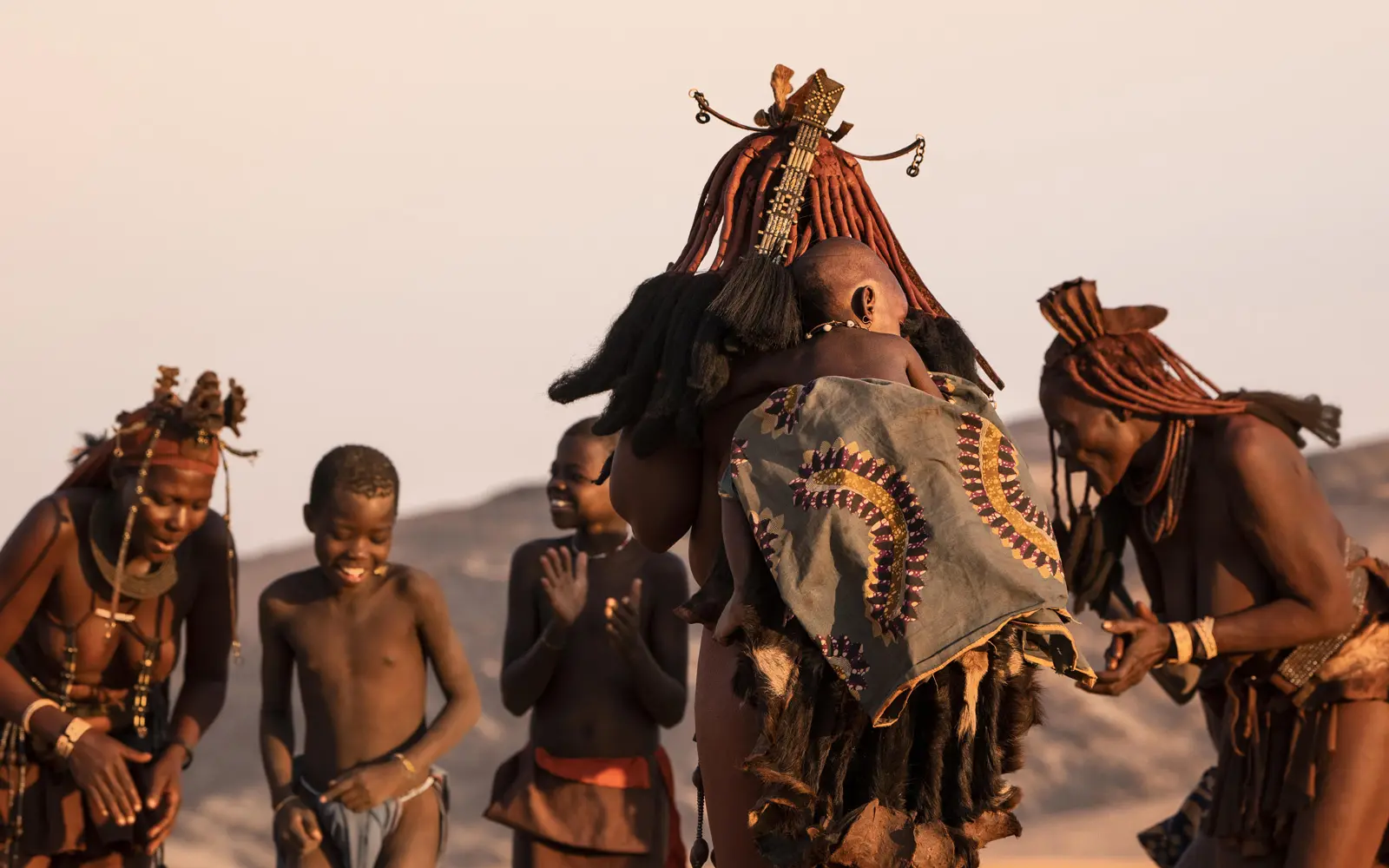
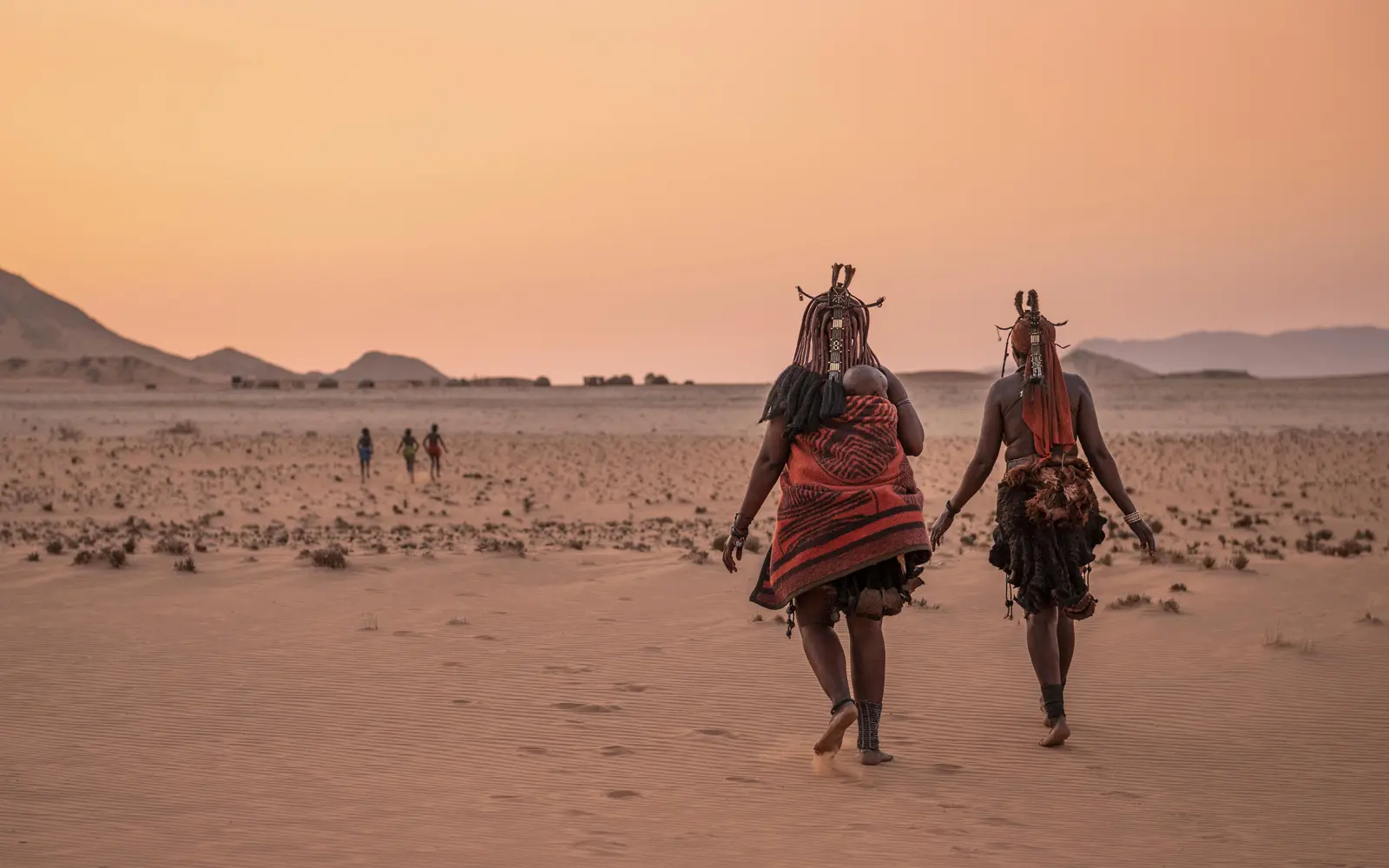

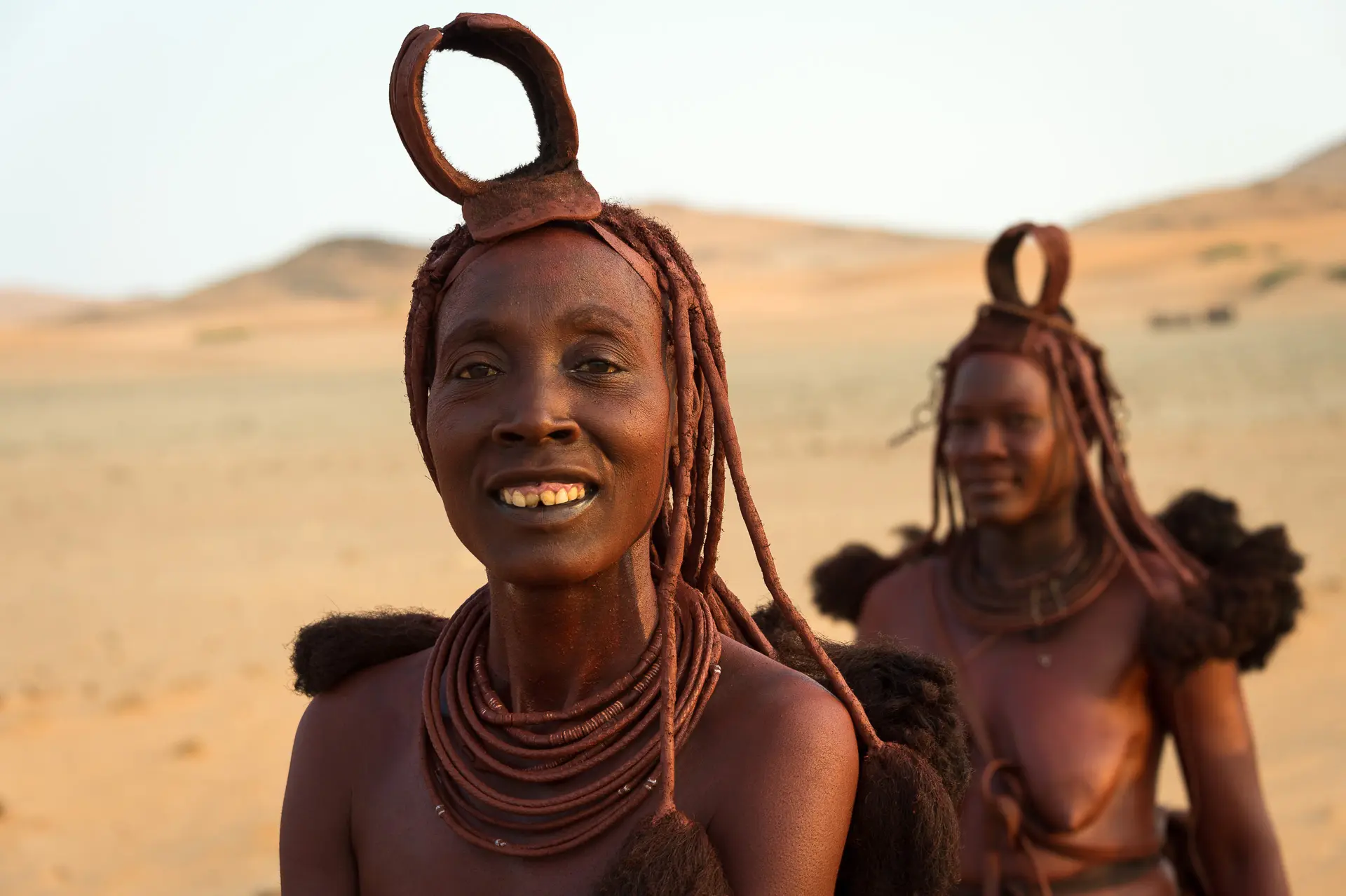
The first impression is visual. Women move through the settlement with skin and hair coated in otjize, a blend of butterfat, ground ochre, and aromatic herbs that gives the Himba their distinctive reddish hue. The image has travelled the world in photographs, though photographs rarely carry its meaning. Where water is scarce and the heat extreme, otjize protects the skin and, at the same time, expresses identity, beauty, and belonging. It is practical and symbolic at once, woven into the rhythm of each day.
Spend time in a homestead and it becomes clear that the most meaningful parts of the experience are not the ones that first catch the eye. Visitors often arrive expecting traditions. What they find is continuity: a coherence to daily life that has grown rare elsewhere. The arrangement of the homestead, the care of the livestock, the responsibilities shared across generations, the rituals that mark each day, all belong to a larger system of values refined over centuries. Nowhere is this clearer than at the centre of the homestead.
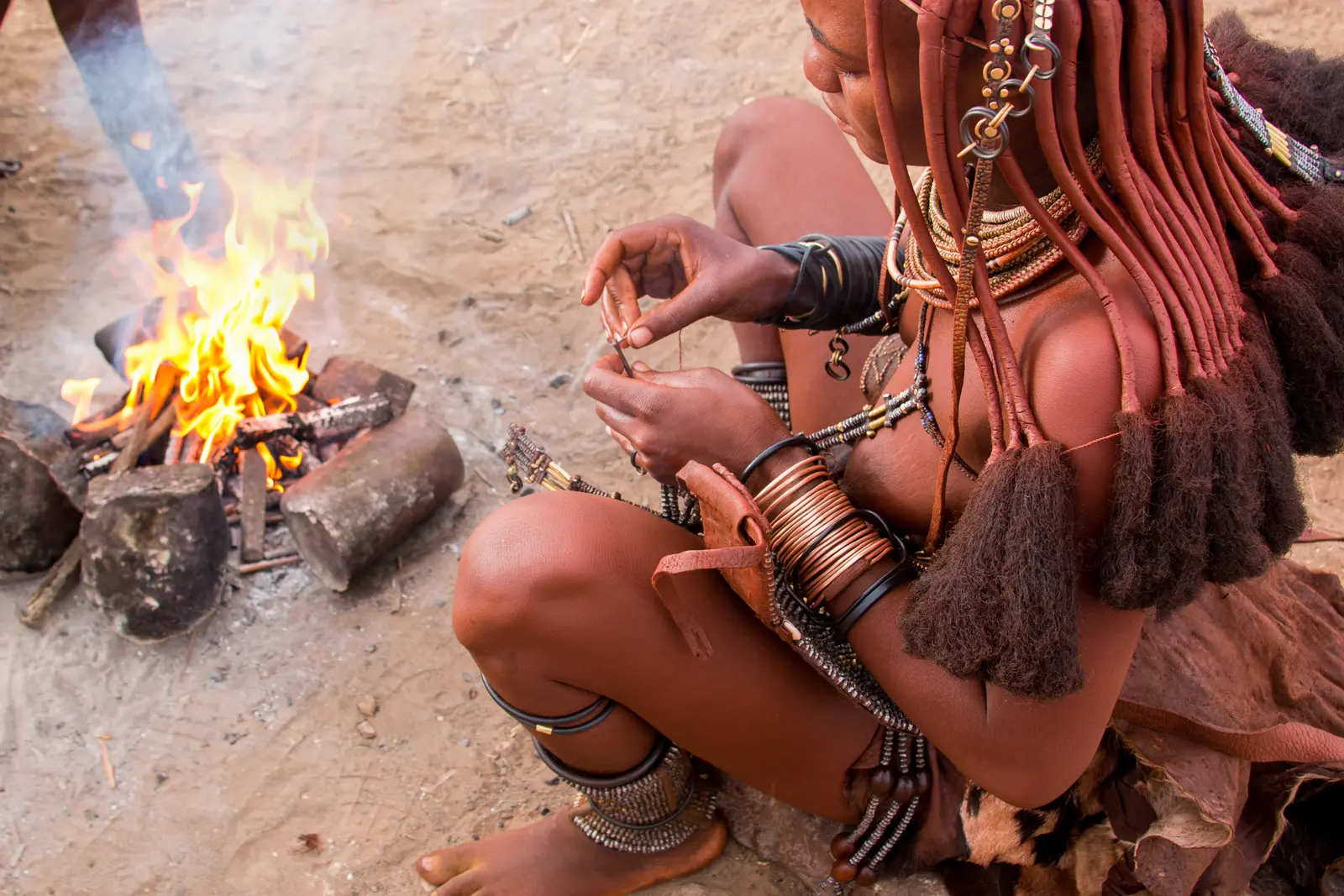
Between the entrance to the settlement and the elder’s dwelling burns the okuruwo, the sacred fire at the heart of Himba spiritual life. Through the day people move around it almost without thinking. Children pass while playing. Conversations gather nearby. Nothing about the scene looks ceremonial, and yet everything turns on it.
Only later does its weight become clear.
The fire is never allowed to go out. It is a living link between community, ancestors, and Mukuru, the supreme being in Himba belief. Through it, prayers are made and memory is carried forward. To tend it is responsibility. To be welcomed near it is trust.
What lingers is not only its symbolism, but what it reveals: continuity maintained through care. The fire survives because someone chooses, every day, to keep it alive.
You don’t leave with answers. You leave with better questions.
It is easy to romanticise tradition from a distance. The reality is more complex. The Himba live with change like any other community. What endures is not resistance to the present, but the strength of the values that hold it together.
Perhaps this is what stays with visitors most. Not observation, but reflection. In a world shaped by speed and distraction, here is a reminder of something slower and more deliberate: continuity, responsibility, connection.
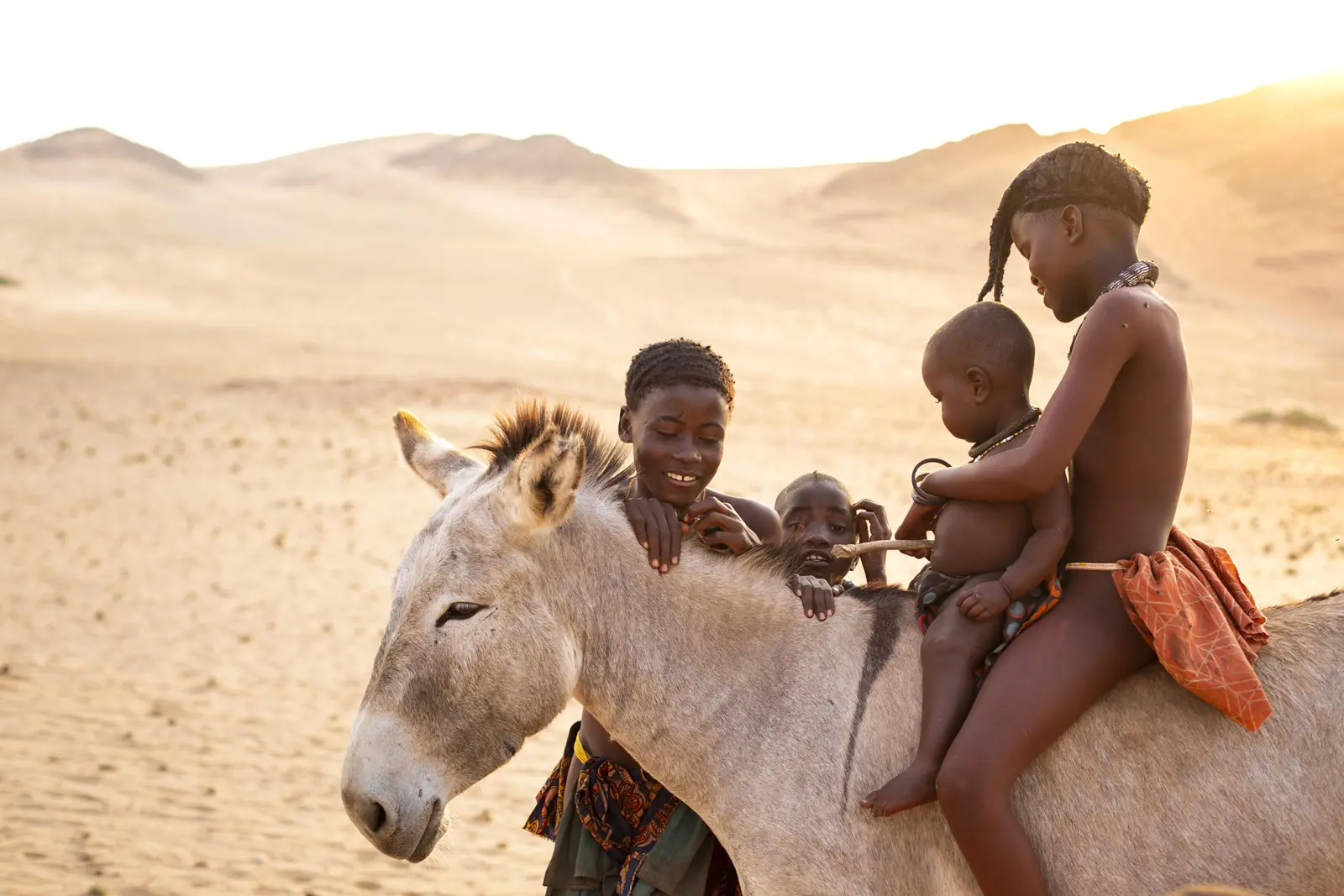
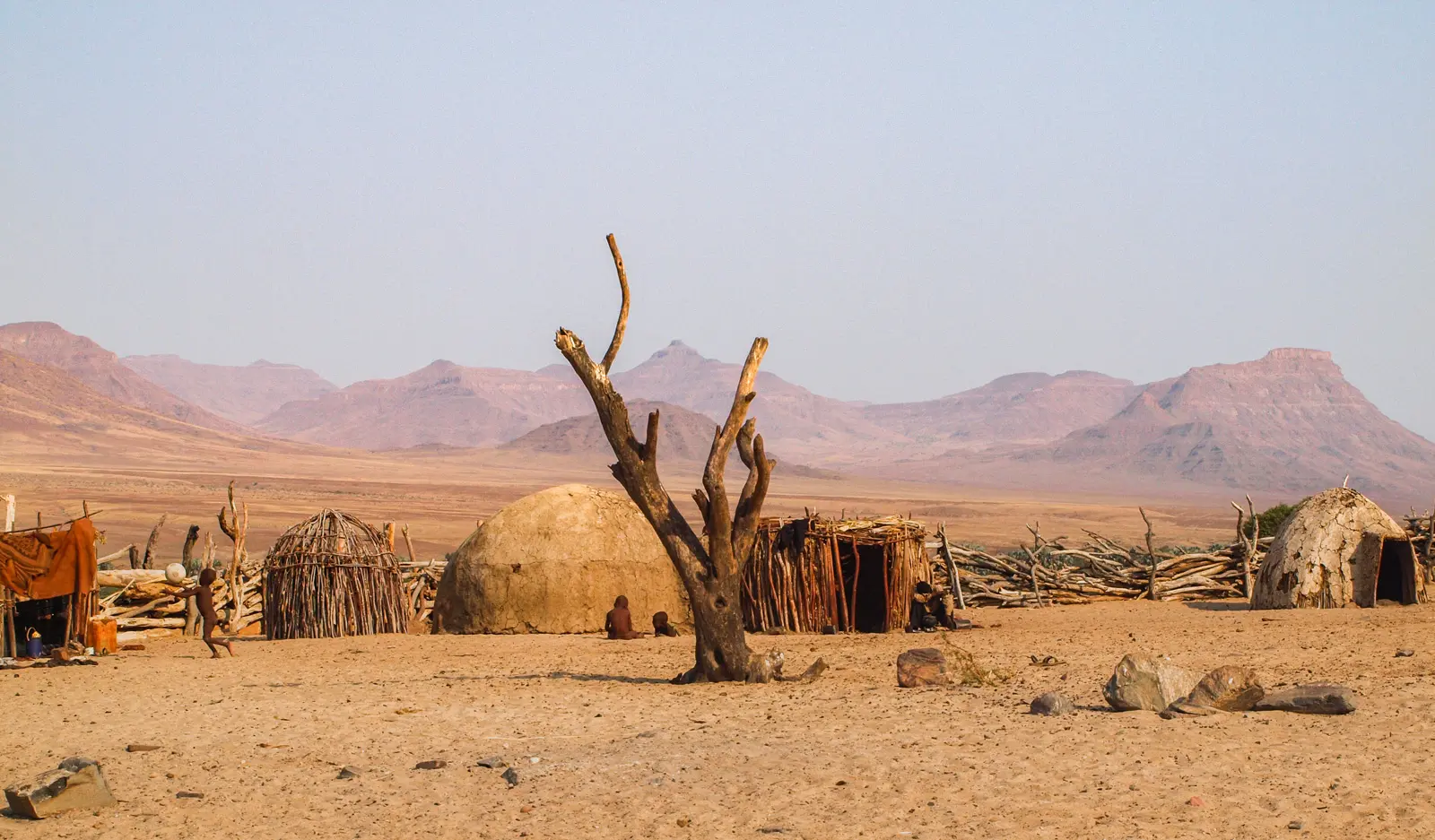
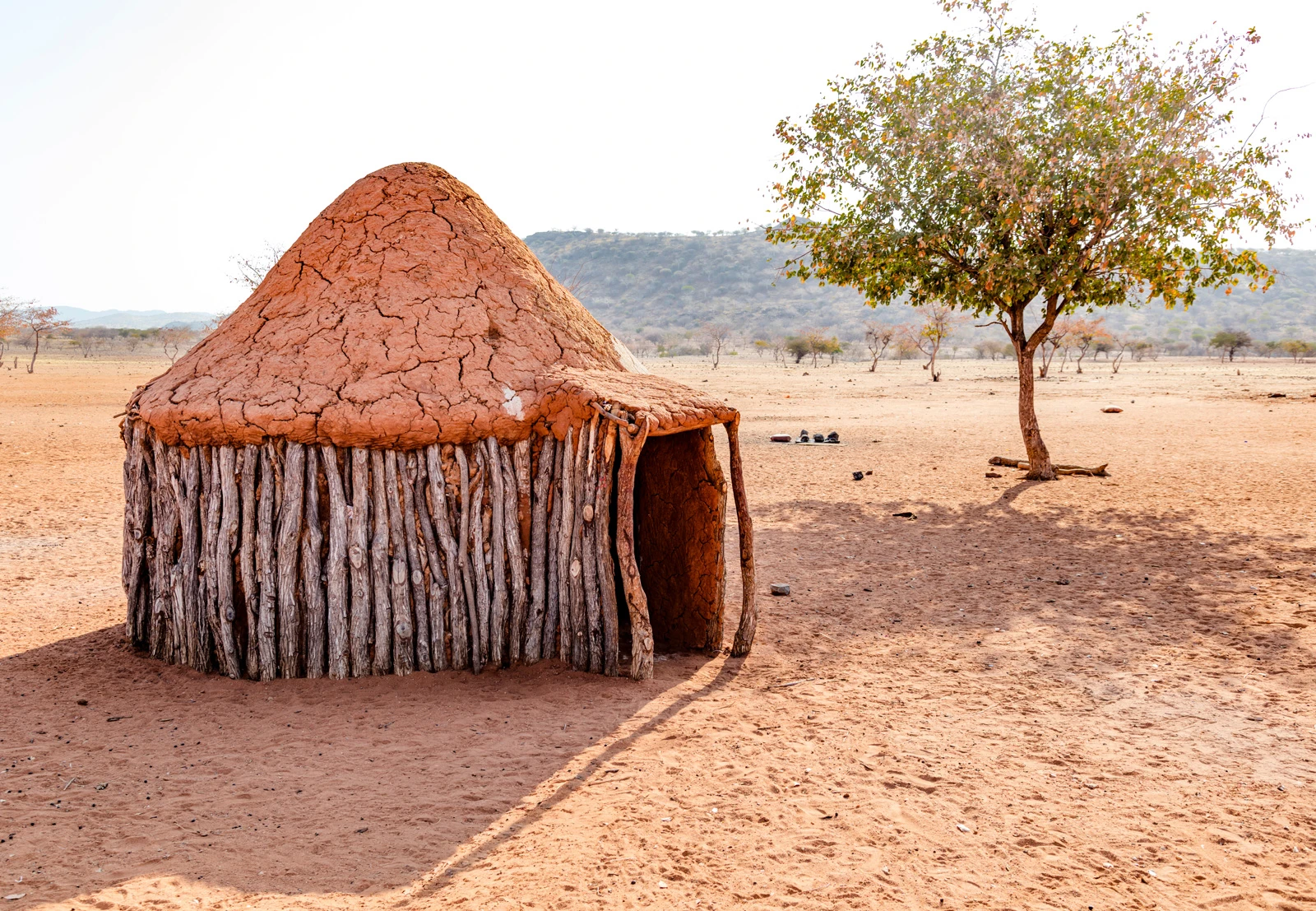
You leave with the landscape in mind, certainly. The red earth, the vastness, the quiet warmth of welcome. But what follows is less tangible. Questions that travel with you. What have we inherited? What is worth carrying forward? What deserves our care?
The road north of Opuwo runs on, deeper into one of Africa’s most remote landscapes. Yet for many, the journey shifts inward. The perspective carried home. Somewhere in the Kunene, a fire keeps burning.
Further into the Kunene
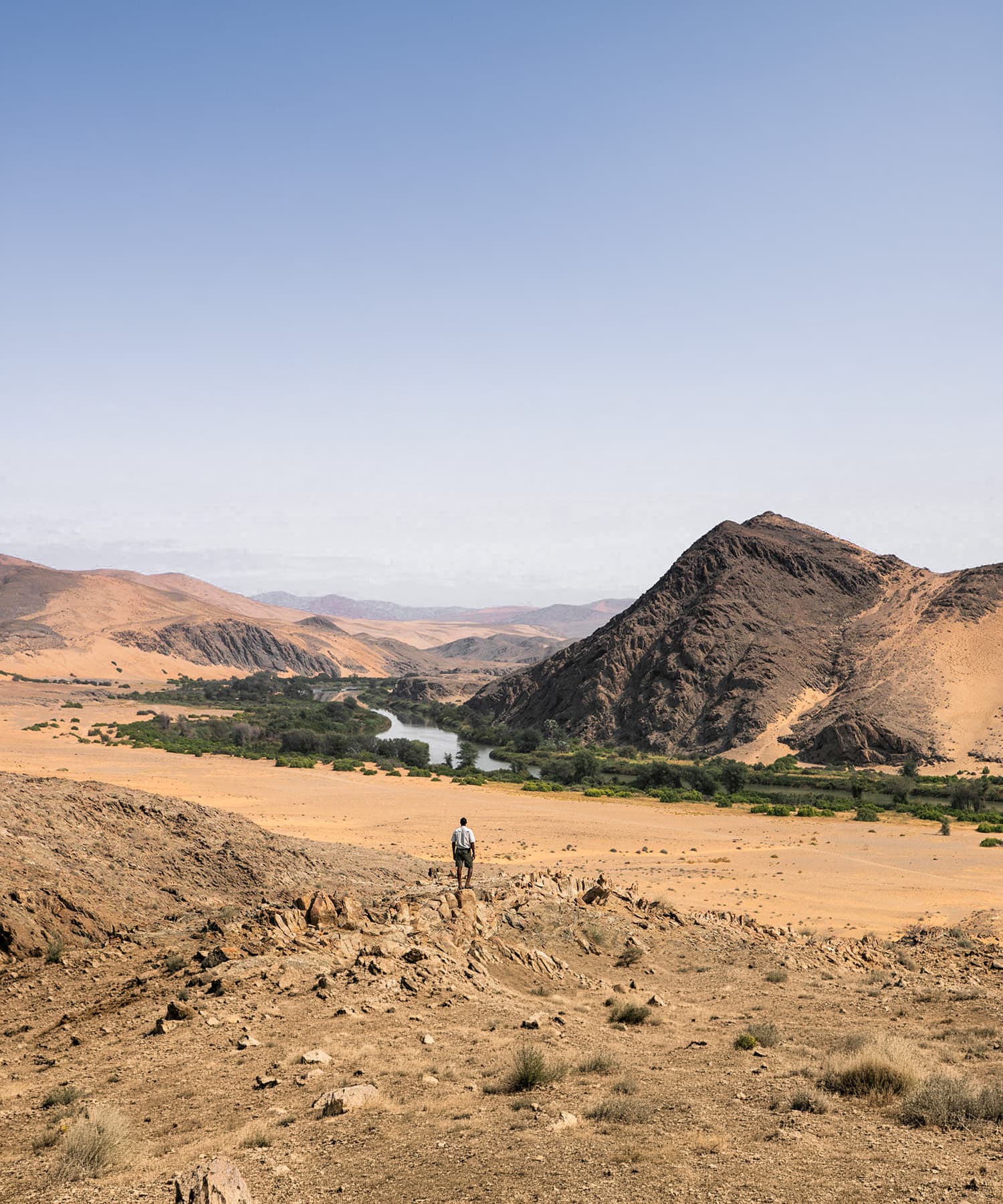
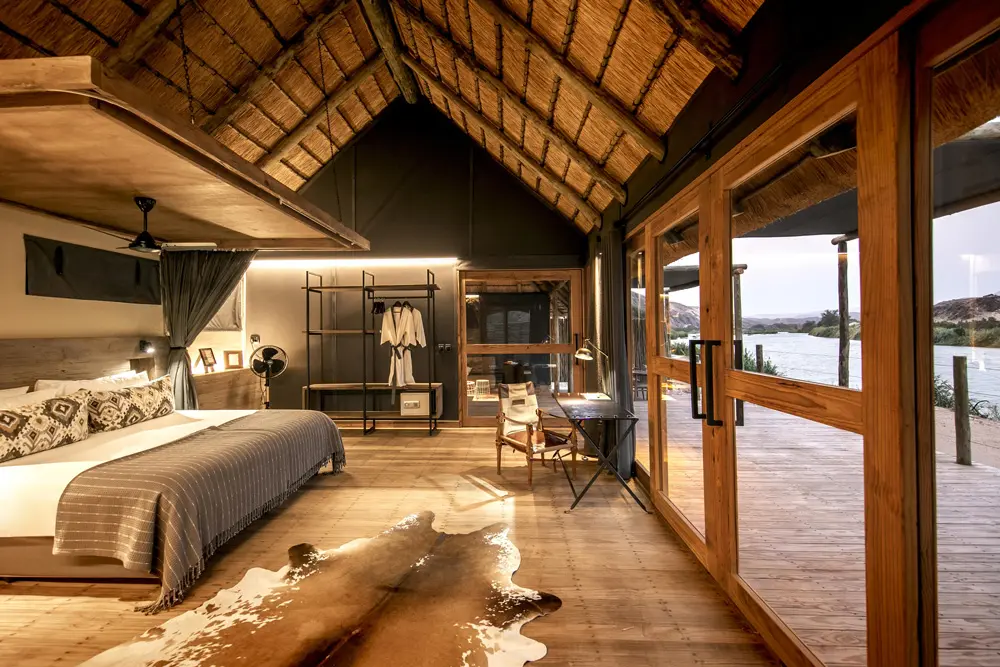
Further north, the Kunene reveals itself in layers of silence best met slowly. Places such as Serra Cafema sit lightly in the landscape, shaped by it more than set within it.
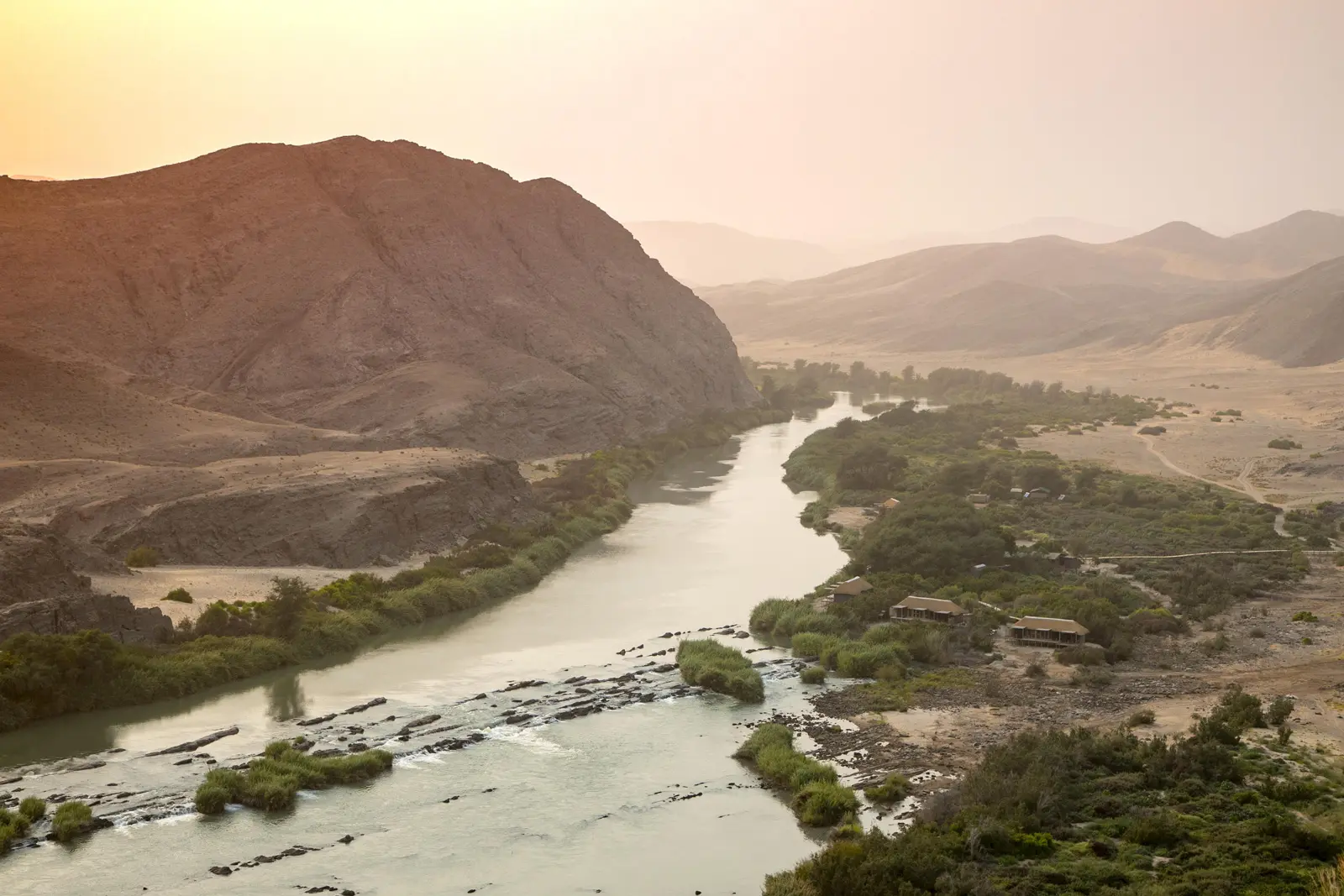
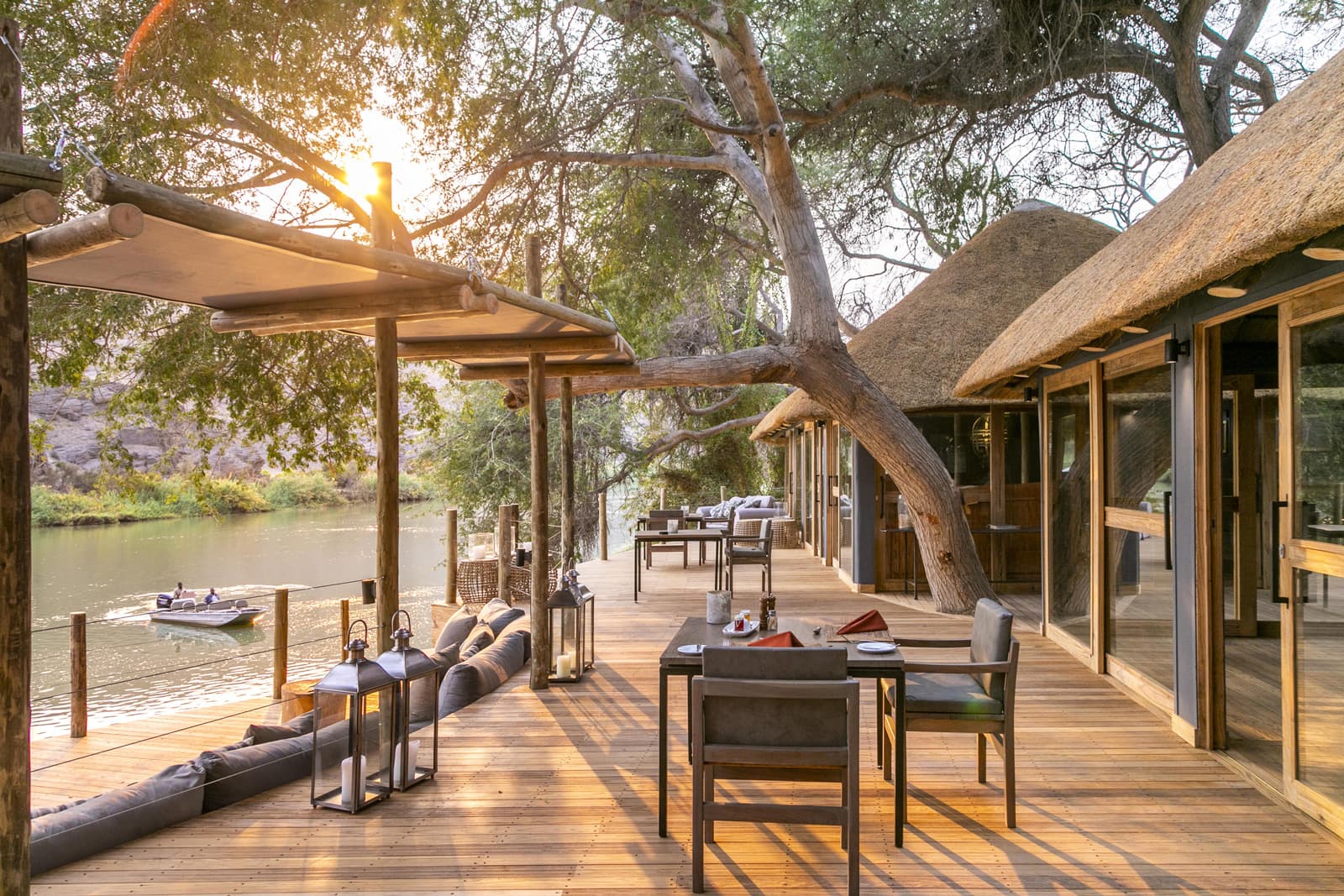
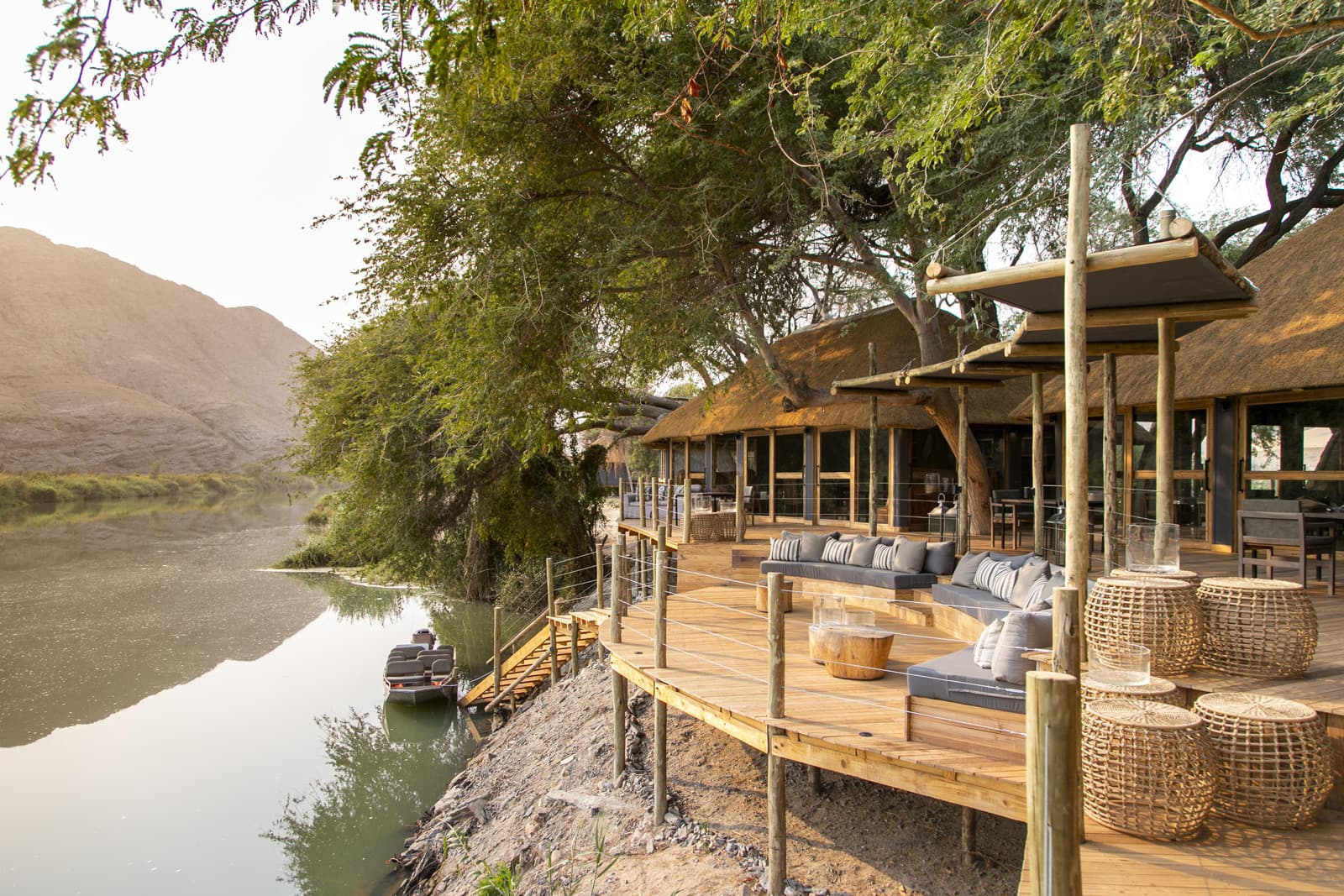
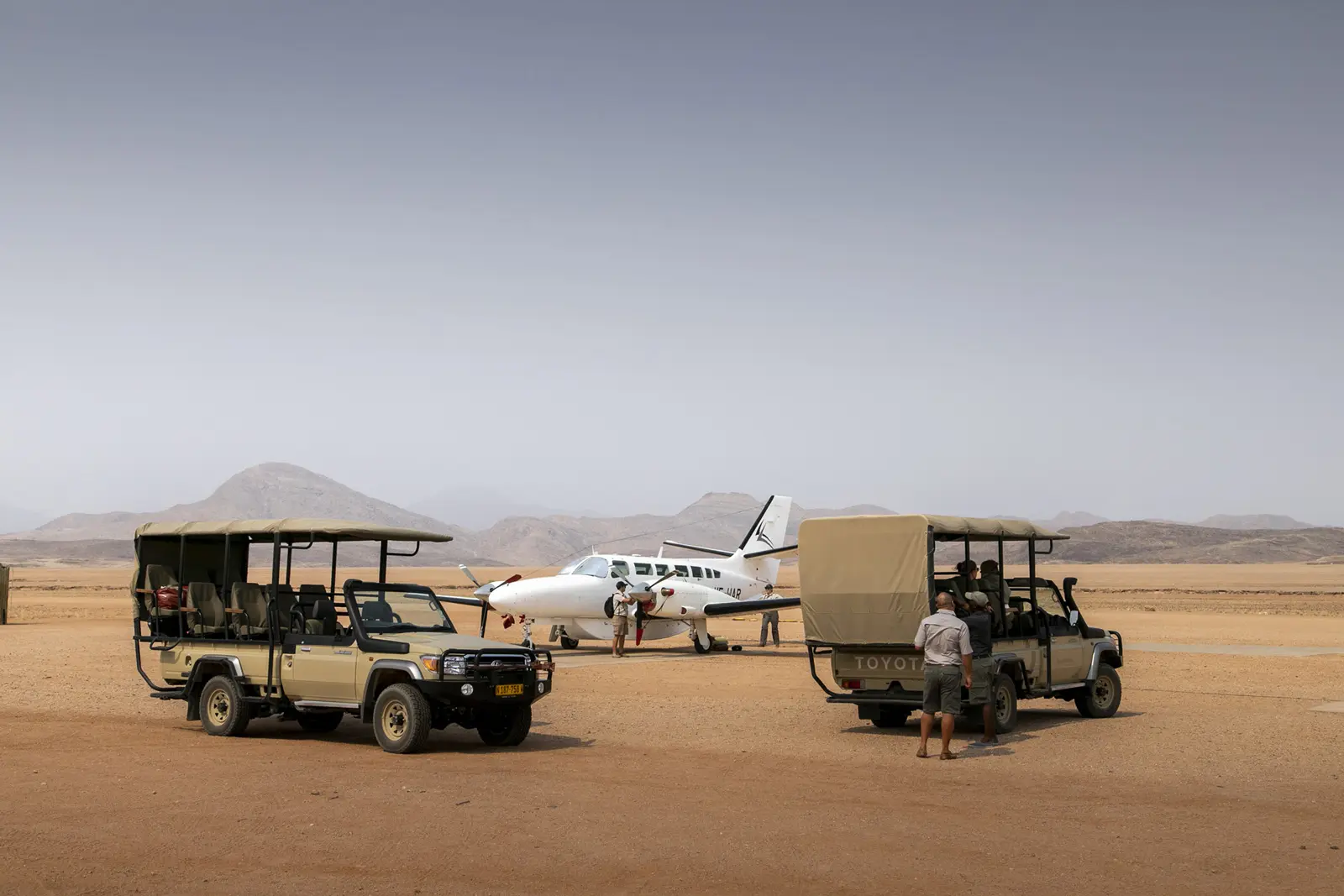
Accessible only by light aircraft, the camp lies among dunes beside the Kunene River. Days unfold gently: time on the river, journeys into the desert, and quiet encounters with Himba communities who have lived here for generations. Nothing here asks to be completed. Only experienced, at its own pace.

Stay
Serra Cafema Camp
Access
Best reached by light aircraft
Unique Feature
Surrounded by the Namib Desert, adjacent to the Kunene River
Curious about experiencing the Kunene?
Every Premier Africa journey begins with a conversation.
Whether you’re interested in experiencing the Himba, exploring Namibia’s remote northwest, or creating a completely bespoke African journey, our designers are here to help shape an itinerary around what inspires you.
A 30-minute conversation. No obligation. Just ideas, expert advice, and the potential start of a remarkable journey.
The remote landscapes of Namibia’s Kunene Region are best explored as part of a thoughtfully designed journey that balances wilderness, culture, and meaningful encounters. Premier Africa works with trusted partners to create itineraries that provide respectful access to Himba communities, extraordinary desert landscapes, and one of Africa’s most remarkable safari destinations.
Photo credit: Wilderness Serra Cafema
Stay Connected
From hidden corners to unforgettable moments, we share the places, people and experiences that continue to inspire. Reflections and discoveries from Southern Africa, delivered occasionally to your inbox.
Explore Southern Africa
Palmwag
Kunene
Livingstone

Victoria Falls

Shamwari Game Reserve

Chobe National Park
Okavango Delta

Garden Route
Sabi Sands Game Reserve
Southern Africa

South Africa
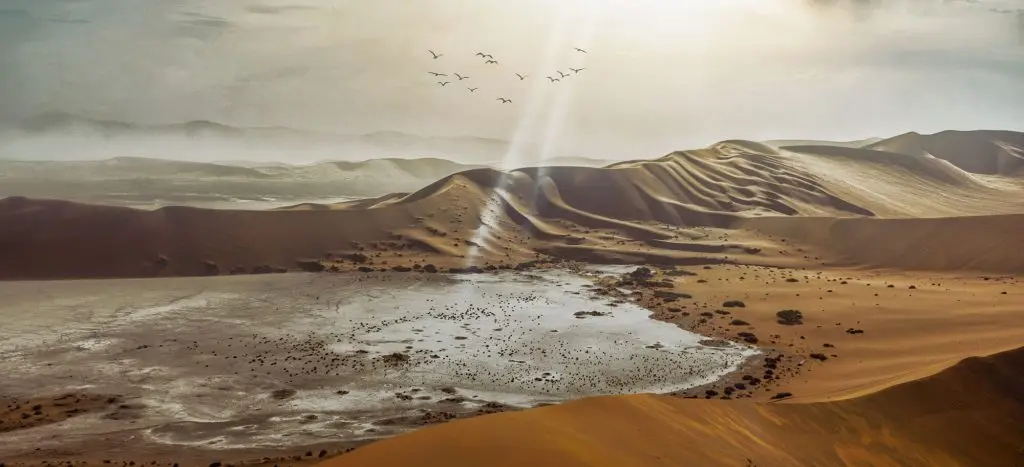
Namibia

Zambia

Lion Sands Game Reserve
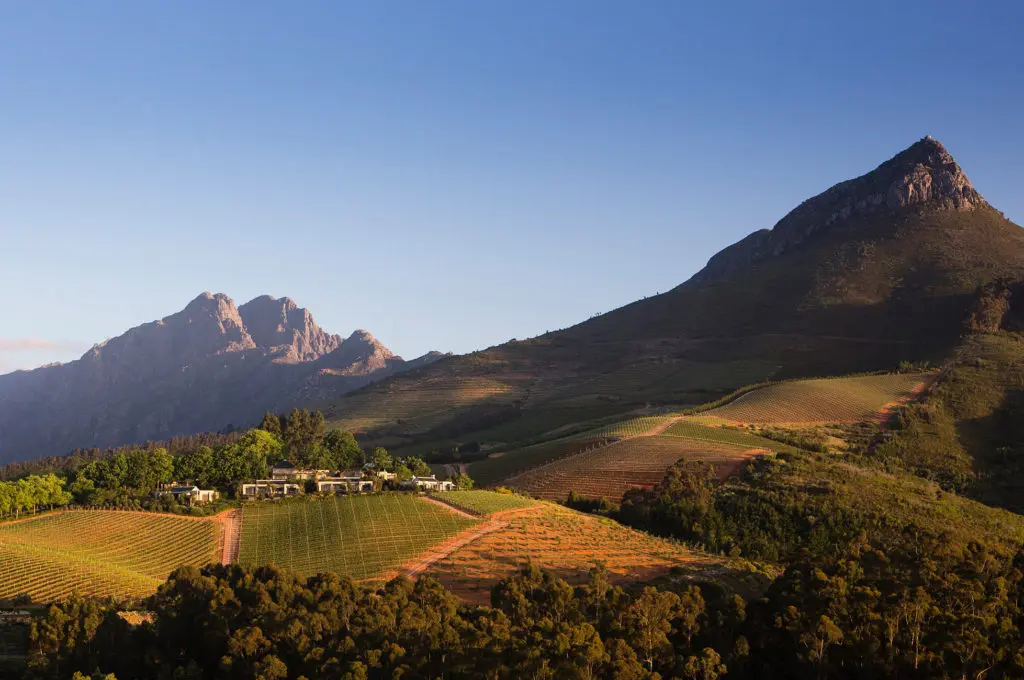
Cape Winelands

Cape Town

Mala Mala Reserve
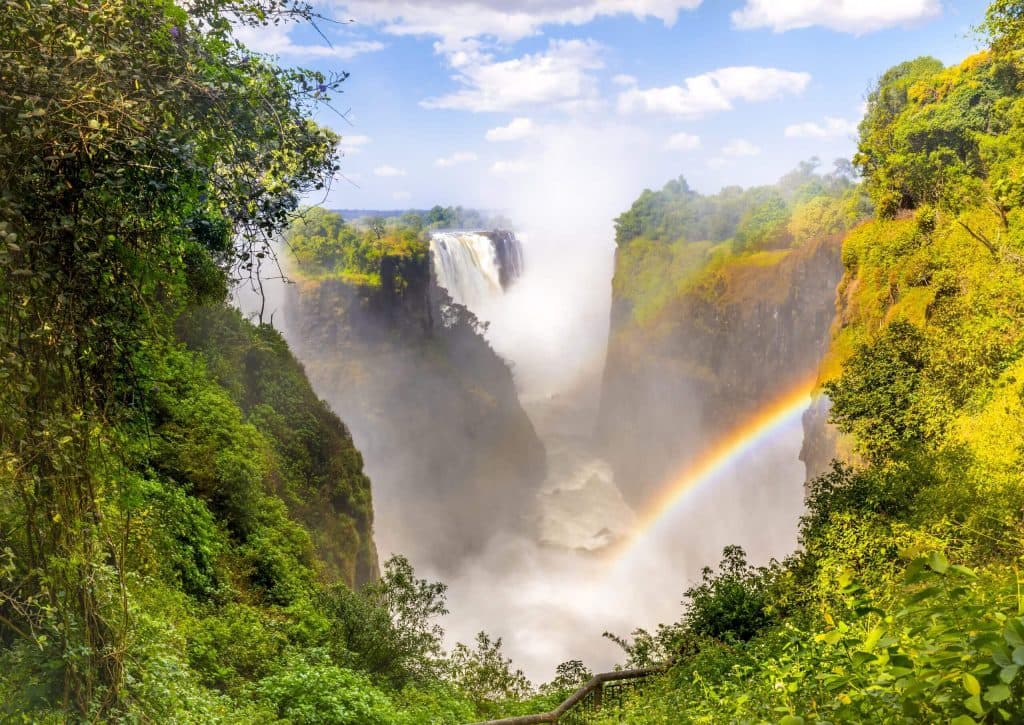
Zimbabwe
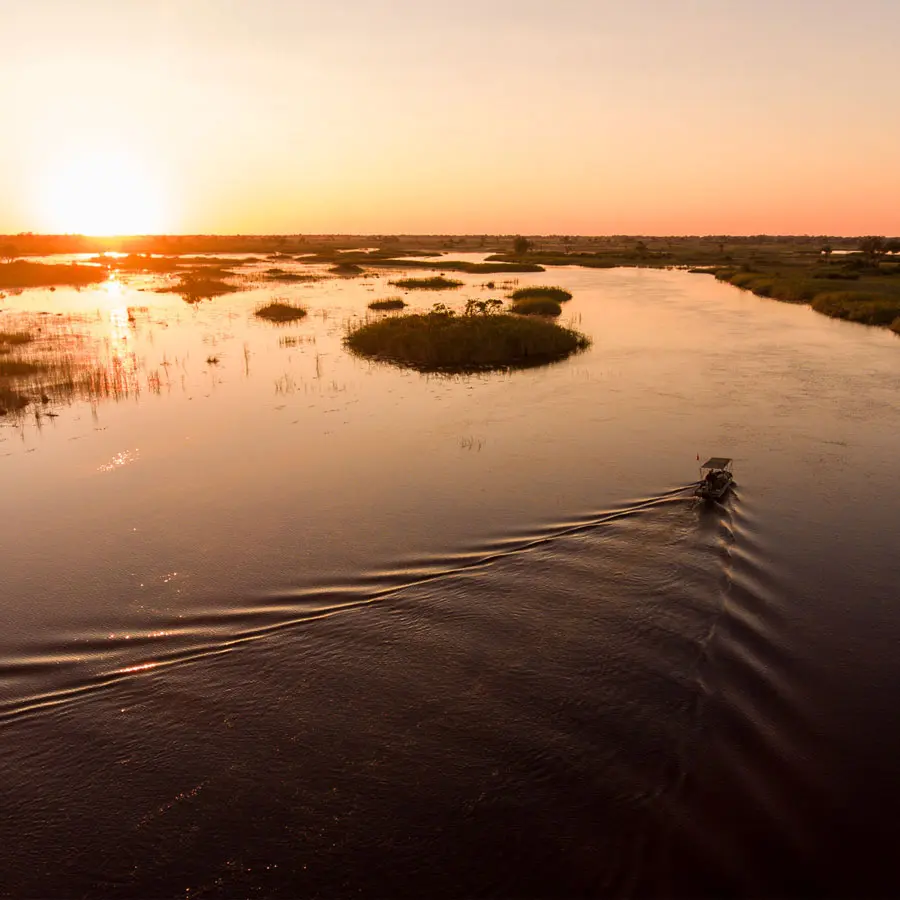
Moremi Reserve
Botswana