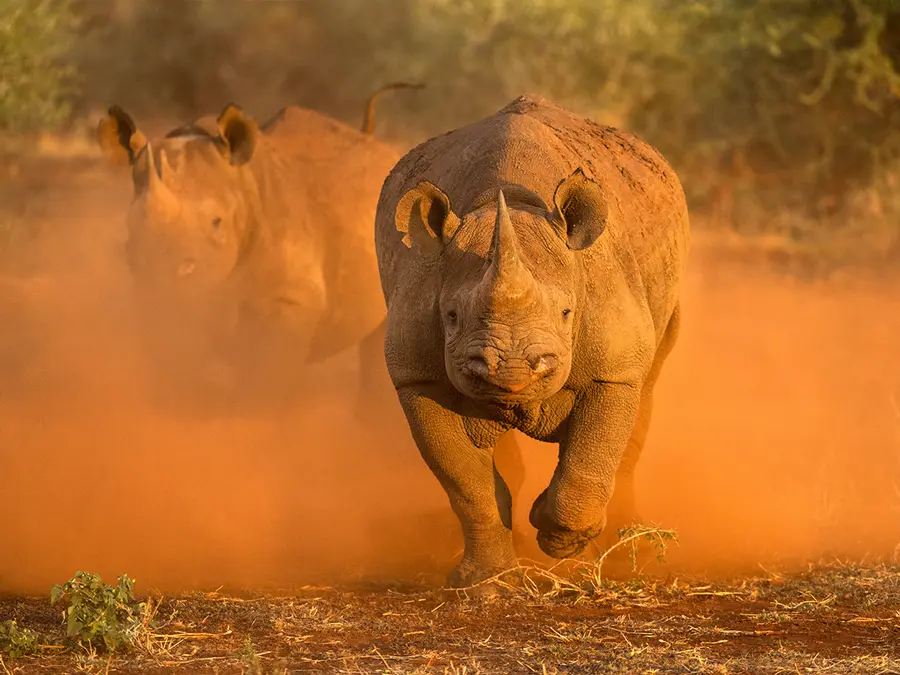
Limpopo is best known for its wildlife in the Kruger National Park and is one of the few places in South Africa where you can encounter the highly sought after ‘Big Five’, comprising African lion, African elephant, Cape buffalo, African leopard, and rhinoceros. It is also home to the rare Sable antelope and African rock python, Nile crocodiles, and local avian species the Soutpansberg rockjumper.
Limpopo
Diverse Habitats and Ecosystems
If you’re looking to experience the rich diversity of SA’s ecosystems, in Limpopo you’ll be spoiled for choice. Explore everything from bushveld savanna and mopane woodlands (tropical and subtropical grasslands) to wetlands, forests, and riverine ecosystems. Thriving indigenous wildlife residing within these habitats includes elephants, waterfowl, a variety of amphibians, as well as many apex predators, such as cheetahs, jackals, and caracals.
Seasonal Wildlife Patterns
One of the major highlights of the Kruger National Park is the rare opportunity to witness local elephant migration across neighbouring reserves – a true sight to behold. Elephants, however, are not the only migrating species in the region, as European bee-eaters set off on their seasonal round trip to Eurasia as well. Aside from these wondrous natural events, early summer brings with it the antelope breeding season, while the wet season improves your chances of seeing increased animal activity around waterholes.
Threats to Biodiversity and Conservation Efforts
Limpopo faces many of the same challenges other wildlife sanctuaries in South Africa do. Agricultural expansion encroaches upon wildlife habitats, poaching poses genuine threat to rhinos and elephants, and invasive plant species undermine native vegetation. Climate change may also adversely affect aquatic habitats in rivers and wetlands. Fortunately, thanks to concerted efforts from the Great Limpopo Transfrontier Conservation Area (GLTFCA), and community-based conservation initiatives like the Greater Kruger Environmental Protection Foundation, strong emphasis has been placed on peaceful coexistence between humans and wildlife. Strategies include revitalization of wildlife populations through translocation and reintroduction, the arresting of poachers, plus integration of EarthRanger Technology for monitoring ranger locations, wildlife movement, and infrastructural development.
Tourism and Educational Opportunities
The Kruger National Park is a major drawcard for travelers seeking to reconnect with nature on safaris and guided bushwalks. Nature lovers can immerse themselves in the many eco-lodges found within the private reserves or participate in educational programmes that keenly focus on rhino conservation. Avian enthusiasts, in particular, will love the captivating birdwatching tours through the Soutpansberg.
Mpumalanga
Unique Wildlife Species
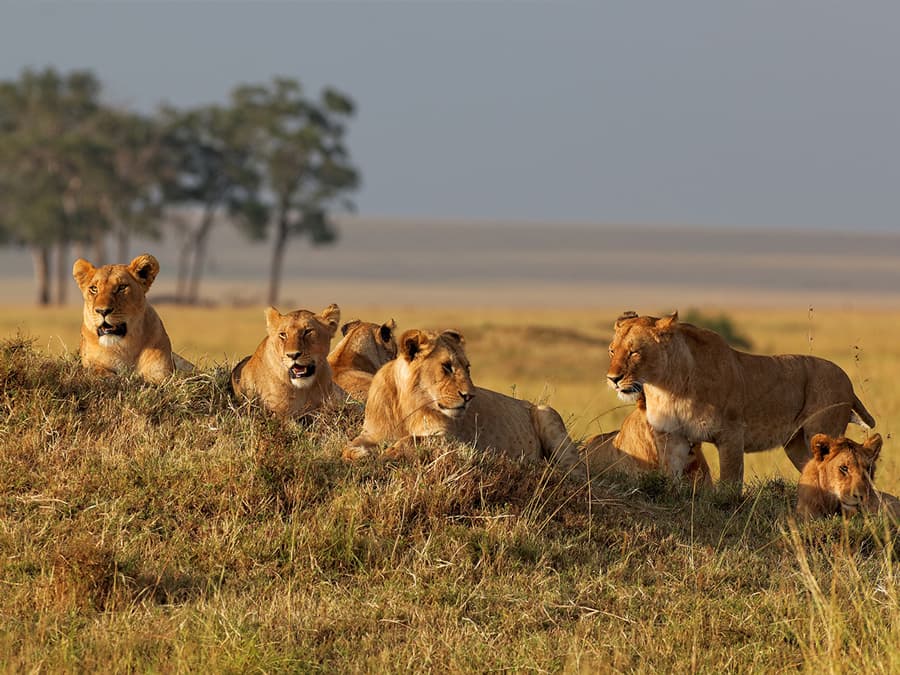
Mpumalanga boasts diverse habitats for many animal species, with the Sabi Sands Game Reserve, in particular, being well-known for its leopard population. This proud species is known to frequent the mountain slopes, so keeping a watchful eye out from your lodgings if they back onto these impressive peaks can reveal some chance sightings. Guests might even be fortunate enough to spot African dwarf crocodiles basking in the rivers nearby. Hyena, African buffalo, white rhino, zebra, and hippo also comprise just some of Mpumalanga’s rich wildlife diversity.
Diverse Habitats and Ecosystems
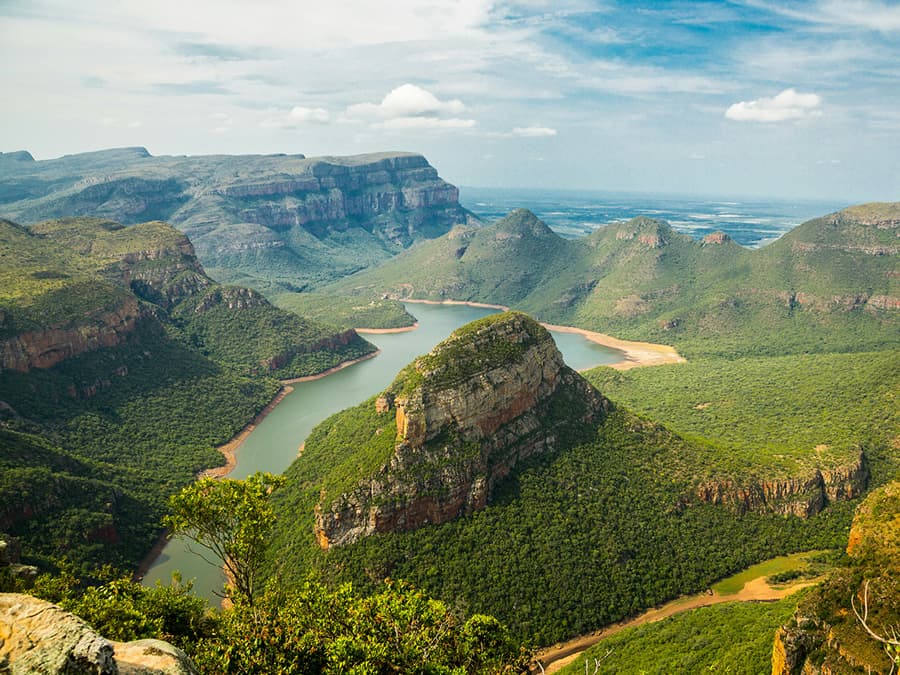
The sheer scope of ecological diversity that can be found in Mpumalanga is nothing short of remarkable. Travellers can take their pick from rolling Highveld grasslands, escarpment forests, wetlands, river systems, and rocky outcrops to explore. Naturally, these diverse habitats are home to diverse wildlife as well, ranging from formidable predators like cheetahs and wild dogs to grazing animals like African elephants and kudu. Varieties of frogs, endemic plants and birds, migratory birds, and aquatic life also reside within this magnificent landscape.
Seasonal Wildlife Patterns
Wildlife follows the seasons, so it’s advisable to time your visit to match your preferred animals’ peak season. Increase your chances of wildlife sightings in the dry winters when they are more likely to gather at permanent water sources. Alternatively, take in the arrival of your favorite migratory birds in the summertime. You may even plan your stay to coincide with the blooming of the vibrant flowers of the Montane grasslands.
Threats to Biodiversity and Conservation Efforts
Mpumalanga faces several environmental challenges, such as pollution of aquatic ecosystems, poaching of endangered species like rhinos and pangolins, and habitat degradation due to civil development. To counteract these issues, dedicated community-driven conservation projects and anti-poaching units work actively to protect vulnerable species and restore the affected habitats in the region.
Tourism and Educational Opportunities
Travellers to Mpumalanga are treated to rich educational tourism experiences that intuitively blend natural beauty with hands-on learning. Expertly guided tours through local botanical gardens, wildlife rehab centres, and game reserves like Manyeleti, for example, offer deep insights into the diverse ecosystems and conservation efforts Mpumalanga is most proud of. School groups and eco-tourists alike can participate in interactive programmes keenly focused on biodiversity, geology, as well as heritage. With the province’s appeal further enhanced by youth conservation training and fieldwork opportunities through local reserves and institutions, Mpumalanga is undoubtedly an ideal destination for meaningful, nature based learning and exploration.
Gauteng
Unique Wildlife Species
Gauteng is home to an eclectic mix of wildlife, including urban-adapted species like vervet monkeys and black-backed jackals, along with avian varieties like the African spoonbill residing in the wetlands. The Highveld grasslands are the primary habitat of aardvarks and the sungazer lizard, a threatened species endemic to South Africa, while rock hyraxes, commonly known as dassies, tend to inhabit the rocky outcrops. This is also where bird enthusiasts can readily observe birds like African grey hornbills and various weavers.
Diverse Habitats and Ecosystems
Contrary to popular belief, Gauteng supports abundant flora and fauna in diverse habitats, ranging from Highveld grasslands and riverine ecosystems, to man-made green spaces known as urban biodiversity havens. Visitors can enjoy and appreciate this biodiversity by going on a Jukskei River walk, hiking through the local hills or ‘koppies’ as they are commonly called, and learning more about green spaces in busy metropolitan cities like Johannesburg.
Seasonal Wildlife Patterns
Even though Gauteng is a highly urbanized province, an eclectic mix of wildlife can be found in and around the cities, and seasonal variations directly influence the natural activity in the region. For example, the rains in summer transform wetlands into an idyllic waterbird haven, while midsummer is the ideal time to observe the mass migrations of butterflies. Visiting in the spring, however, offers the chance to experience the vibrance and beauty of the blooming grasslands.
Threats to Biodiversity and Conservation Efforts
Urban development and expansion poses a significant threat to Gauteng’s biodiversity, as it can result in losses of habitat as well as an increase in pollution levels. In order to curb these environmental impacts, initiatives like the Gauteng Biodiversity Stewardship Programme endeavor to protect high-priority conservation lands in partnership with private and communal landowners.
Tourism and Educational Opportunities
Despite its urban setting, Gauteng still offers unique opportunities to commune with nature. City dwellers and new visitors alike can enjoy game drives without venturing too far from the concrete jungle at The Rietvlei Nature Reserve, while the Walter Sisulu Botanical Gardens and Suikerbosrand Nature Reserve are perfect for hiking, bird-watching, and photography. Guided walks in urban green spaces also help spread awareness of city-based conservation efforts.
KwaZulu-Natal
Unique Wildlife Species
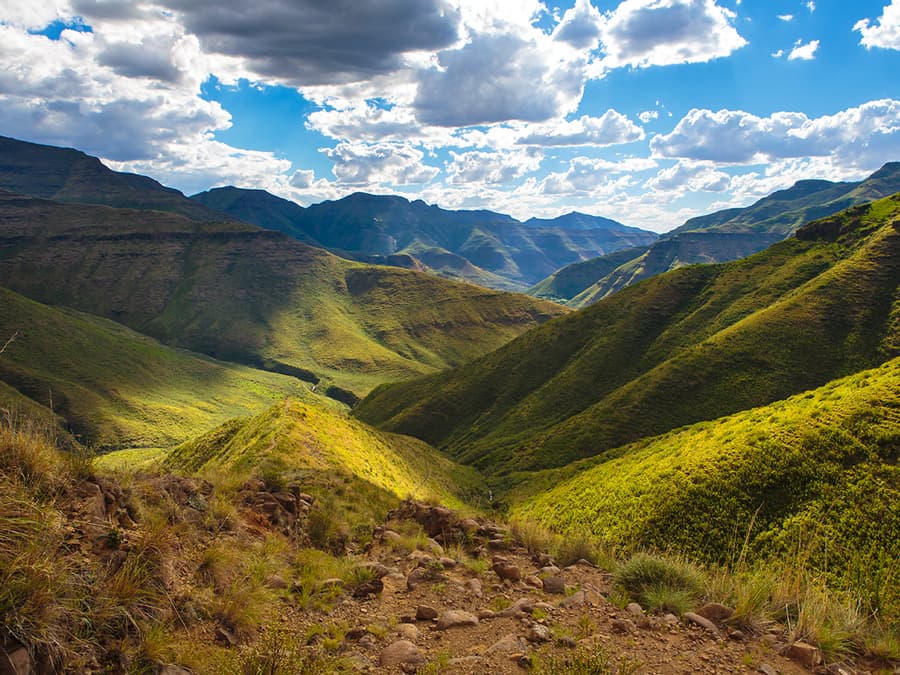
KwaZulu-Natal, known for its biodiversity, provides an impressive range of landscapes to discover. From its sand forests and coastal mangroves to the rolling grasslands, coral reefs, and towering Drakensberg Mountains, this unique province is truly a striking contrast of ecosystems. The local mangrove forests provide ideal breeding grounds for multiple fish and crab species, while watchful kudu, giraffe, and pangolins slowly graze the woodlands. The sand forests of Maputaland, one of the rarest forest types known to Africa, are the ideal habitat for the elusive suni antelope and narina trogon breed of birds.
Diverse Habitats and Ecosystems
The best time to visit KZN depends purely upon one’s personal travel interests. In late spring between October and November, snorkeling enthusiasts can witness the extraordinary annual coral spawning event, while from October to March, travellers can spot more elephants enjoying their summer rain mud baths, as well as leatherback and loggerhead turtles coming ashore to nest along the beaches of the iSimangaliso Wetland Park. In Autumn (March-May), however, leopards are more prevalent as the environment transitions, buffaloes migrate towards water sources, and birds become more active. As an alternative, the winter months from June to November give opportunities to observe the spectacular humpback whale migration along the KZN coastline.
Seasonal Wildlife Patterns
The best time to visit KZN depends purely upon one’s personal travel interests. In late spring between October and November, snorkeling enthusiasts can witness the extraordinary annual coral spawning event, while from October to March, travellers can spot more elephants enjoying their summer rain mud baths, as well as leatherback and loggerhead turtles coming ashore to nest along the beaches of the iSimangaliso Wetland Park. In Autumn (March-May), however, leopards are more prevalent as the environment transitions, buffaloes migrate towards water sources, and birds become more active. As an alternative, the winter months from June to November give opportunities to observe the spectacular humpback whale migration along the KZN coastline.
Threats to Biodiversity and Conservation Efforts
KwaZulu-Natal’s rich biodiversity is under threat from multiple factors, including deforestation and habitat destruction within coastal and forest ecosystems, as well as overfishing and climate change which cause significant damage to the surrounding coral reefs. On top of this, pollution resulting from agriculture also has an effect on the wetlands and estuaries, further threatening indigenous aquatic life. Thankfully, ambitious conservation initiatives are making a difference, as community-led marine conservation programs in iSimangaliso Wetland Park help protect the coastline, while anti-poaching units continue to safeguard the rhino population in Hluhluwe-iMfolozi Park.
Tourism and Educational Opportunities
KwaZulu-Natal offers a wealth of eco-tourism and conservation experiences for visitors to participate in. Such experiences can include informative guided tours of the local turtle nesting sites in iSimangaliso Wetland Park, as well as awe-inspiring dives among the vibrant coral reefs of Sodwana Bay. Inland exploration leads travellers through the dramatic natural landscapes of the Drakensberg on multi-day hiking and camping adventures, while luxurious eco-lodges provide immersive conservation experiences for guests which involve cultural tours highlighting the deep connection between Zulu traditions and the region’s inhabiting wildlife.
Western Cape
Unique Wildlife Species
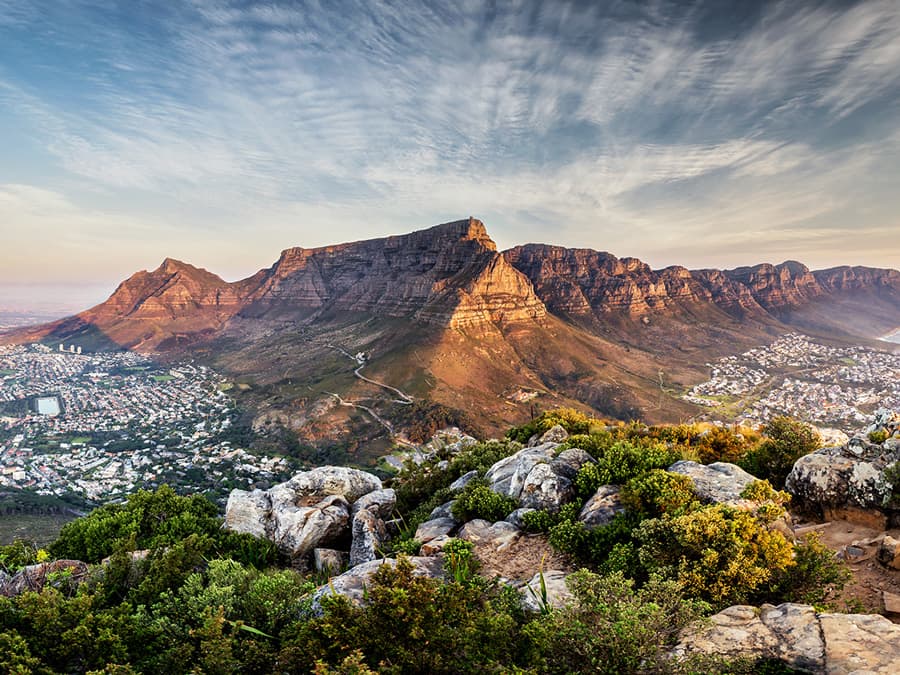
The Western Cape is proudly home to an astonishing variety of wildlife and landscapes that simply take one’s breath away. Table Mountain alone, lauded as one of the ‘New7Wonders of Nature’, plays host to a wealth of endemic plant and animal species that visitors can immerse themselves in while on vacation. See African penguins waddle along the streets of Simon’s Town, while Cape fur seals bask along the coastline, and for the thrill-seekers out there, cage diving with great white sharks is undoubtedly a bucket-list must. That said, there is always something for those who prefer a quieter connection with nature, with the region’s numerous protected reserves readily on hand to explore and enjoy, showcasing notable species like the African elephant, white rhino, lion, cheetah, leopard, and zebra within their natural habitats. African wild cats, jackals and caracals are also prevalent in the region.
Diverse Habitats and Ecosystems
The Western Cape boasts an unmatched plethora of unique ecosystems and biodiversity to marvel at. The Cape Floral Kingdom, for example, notably the smallest yet most diverse plant kingdom on Earth, dominates the landscape with its signature fynbos vegetation. On top of this, Table Mountain itself harbors thousands of plant species that are found nowhere else in the world. This local, ecological diversity extends from the province’s wetlands, numerous in migratory waterbirds, all the way to the arid Karoo, where only the most resilient desert dwellers are able to thrive. Along the coastline, Atlantic and Indian Ocean waters provide a nutrient-rich marine ecosystem teeming with whales, dolphins, seals, and seabirds, to name but a few.
Seasonal Wildlife Patterns
There are several seasonal highlights visitors can plan their holidays to coincide with, with Hermanus being the best place to take in the awe-inspiring whale migration that occurs between June and November each year. Then, as spring hits the Karoo all manner of reptile species shake off the winter lethargy in search of fresh meals and warm sunshine, while in Namaqualand, the picturesque spring wildflower season begins. Bird enthusiasts may also time their visits to the wetlands to observe the seasonal bird migrations. During the hot, dry summer months (December-February), water levels in some areas become lower, which means that greater concentrations of eland, springbok, and duiker, not to mention predators like caracal and leopard can be spotted around the remaining water sources.
Threats to Biodiversity and Conservation Efforts
The fynbos biome in the Western Cape has faced the risk of being unduly replaced by encroaching urban development. Alien plant species also threaten many ecosystems, including the fynbos biome, however, thanks to localized preservation and regeneration efforts in natural reserves, great strides have been made in resisting these ecological threats. Native Marine life has also faced its share of dire consequences as the volume of plastic waste in the ocean increases, although fortunately, learning programmes are restoring the balance in protected areas.
Tourism and Educational Opportunities
Nature enthusiasts are spoilt for choice when it comes to sightseeing and appreciation. Cape Point Nature Reserve offers breathtaking views of the coast and hiking trails that vary from easy to challenging, while guided tours in Kirstenbosch Botanical Gardens are far more sedate. The gardens also frequently host educational programmes on things like wildlife conservation. Alternatively, the coastal waters surrounding the Cape peninsula provide just the right conditions for highly sought-after whale watching and shark cage diving experiences.
Eastern Cape
Unique Wildlife Species
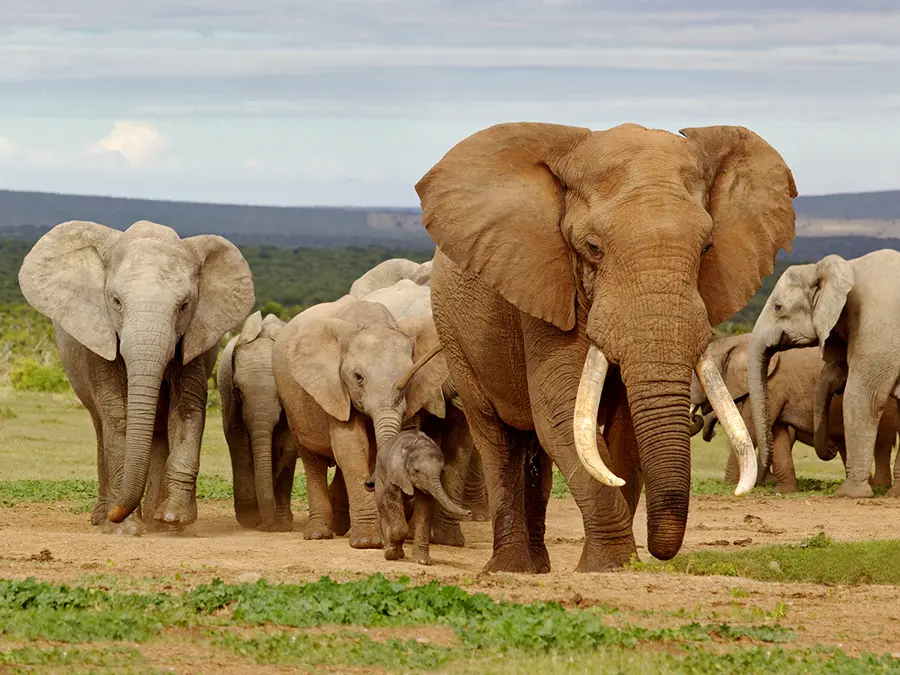
The Addo Elephant National Park almost single-handedly saved the Addo elephants from extinction, and today, it boasts one of the densest populations in South Africa. The park is also home to growing numbers of black rhino, which have also come near to extinction. Other unique species that visitors to the region are fortunate to observe include the Cape parrot in the Afromontane forests, Cape clawless otters, and humpback whales.
Diverse Habitats and Ecosystems
It stands to reason that diversity in wildlife requires diversity in habitation, and the Eastern Cape is no exception. From undulating coastal dunes and brackish estuaries along the Wild Coast, to dense Albany thicket, Highveld grasslands, and indigenous forests in the Amathole Mountains, not to mention various marine ecosystems contained within the Marine Protected Area (MPA), extending deep into Wild Coast waters, the Eastern Cape has it all.
Seasonal Wildlife Patterns
There are several seasonal attractions for visitors to the Eastern Cape to align their travel itineraries with. There’s the highly anticipated sardine run from June to August, as well as enthralling whale sightings throughout the year, but which peak during wintertime. Inland, if bountiful flora is what you seek, then surround yourself with the blooms and pollinators in spring. As the seasons progress, travelers can witness captivating Antelope calving in the early summer months of November and December, and finally, for your holiday viewing pleasure, migratory birds arrive for their annual summer migration as well.
Threats to Biodiversity and Conservation Efforts
The challenges facing the delicate ecosystems of the Eastern Cape comprise the overgrazing of grasslands, depletion of marine populations through illegal fishing, and urban development overflowing into estuaries and coastal habitats. Alien flora also poses a threat to indigenous thicket ecosystems. Fortunately, in a drive towards positive change and preservation, the Eastern Cape Parks and Tourism Agency (ECPTA) has spearheaded the expansion of protected wildlife areas nation-wide, while anti-poaching initiatives help protect the elephants and black rhinos in Addo Park and other neighbouring reserves. Amakhala Game Reserve, too, with its strong conservation ethic, is clearing away overbearing farming infrastructures, introducing more local wildlife, and educating the youth on environmental conservation.
Tourism and Educational Opportunities
If you enjoy coastal hiking, birdwatching, and educational programmes on elephant conservation, then look no further. The Addo Elephant Park not only includes these enjoyable nature activities, but is also home to the world-renowned ‘Big 5’ (African lion, African elephant, Cape buffalo, African leopard, and rhinoceros). In fact, this incredible reserve goes even a step further as it’s one of the few places where one can encounter the Big 7 – the Big 5 plus great white sharks and whales – a major drawcard from both tourism and education perspectives.
Northern Cape
Unique Wildlife Species
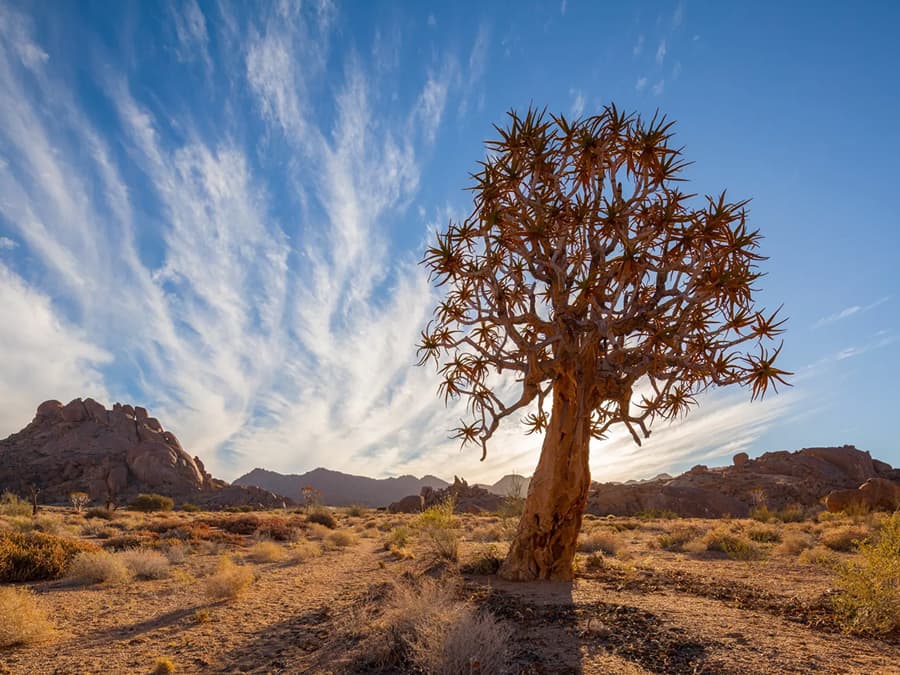
The Northern Cape finds itself in one of the driest areas in South Africa, meaning that its habitats and wildlife are intrinsically unique to the region. Rare species include the black-maned lions in the Kgalagadi Transfrontier Park, the endangered riverine rabbits in the Nama Karoo, as well as the Gemsbok (oryx) which thrive in this environment. Also, while on nature walks, safari adventurers should keep a watchful eye open for Cape cobras and puff adders.
Diverse Habitats and Ecosystems
Experience everything from the expansive Kalahari Desert and semi-arid savanna to Namaqualand’s spring flowers and the marine ecosystem along the Atlantic coast on your next visit to the Northern Cape. Take in the greenery along the Orange River which is well-suited for fauna and flora that aren’t generally fit for desert dwelling, plus encounter salt plains so flat that they’re used to set land speed records.
Seasonal Wildlife Patterns
The seasons in the hot desert don’t differ too much from one to the next, but there’s still plenty of activity for travelers to behold. Namaqualand is famous for its spring flowers that herald summer all along the Cape coast, and migratory birds head for the wetlands during the summer rains. As summer progresses and water holes dry up, large herbivorous mammals like the African buffalo and sable, along with predators like jackals, caracals, and hyenas follow water availability, resulting in more opportune wildlife viewing around the limited water sources during these hotter months.
Threats to Biodiversity and Conservation Efforts
Grazing land is at a premium in the semi-arid Northern Cape region, which means that overgrazing can be a problem in the Nama Karoo. Local mining activity also damages natural vegetation, and water pollution as a by-product of these mining operations contaminates the soil and ocean around river mouths. In addition to this, illegal poaching threatens the highly endangered indigenous pangolins of the region. Despite these tough challenges, however, the Northern Cape Province, in collaboration with environmental protection organizations like the Endangered Wildlife Trust (EWT) and the South African National Biodiversity Institute (SANBI), actively engages in nature conservation efforts. Such endeavors involve the implementation of stewardship agreements with resident landowners to expand protected natural areas in order to preserve these valued ecosystems.
Tourism and Educational Opportunities
On trips to the region, visitors discover that The Kgalagadi Transfrontier Park crosses the border between South Africa and Botswana, and is entirely unfenced to allow wildlife to follow their natural migration routes, ensuring their survival in the heat of the desert. This presents a rare opportunity for guests to learn more about life in the desert. The Orange River, too, provides its own unique perspective through the lens of exhilarating water rafting excursions, offering varied degrees of difficulty for each traveler’s needs. The clear, unpolluted skies also provide the perfect canvas for stargazing at eco-lodges in the park.
Free State
Unique Wildlife Species
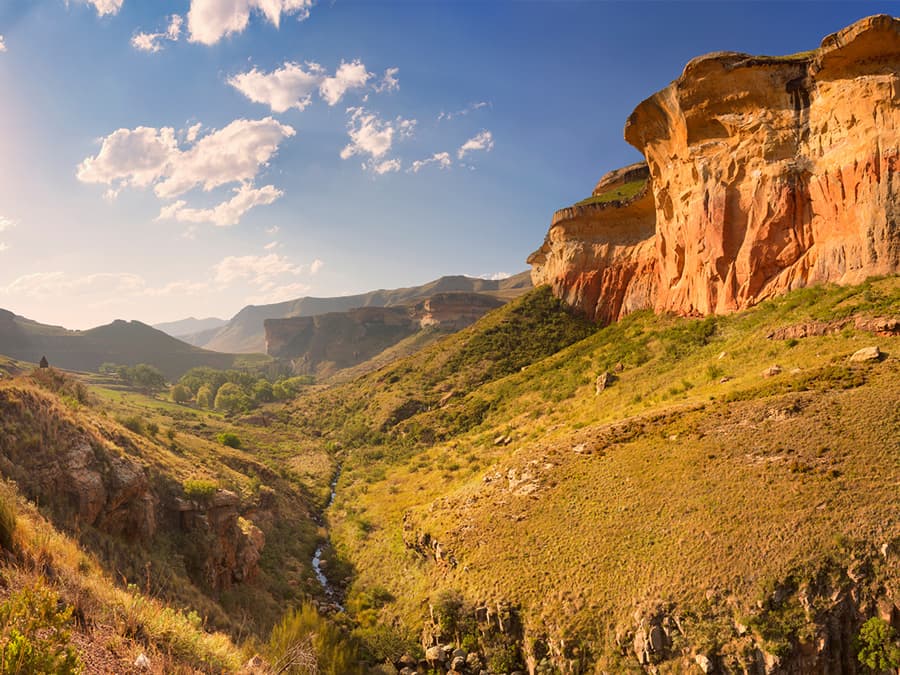
The Free State is virtually flat in contour, with the exception of the Golden Gate Highlands National Park and the Monsantsa Pass that crosses the border into Lesotho. Endemic frogs prefer the higher-altitude wetlands and the rare bald ibis favors rocky outcrops. Local wildebeest and blesbok, however, prefer to graze on the flat plains, while Cape and bat-eared foxes occupy the grasslands. Other species like caracal and jackals are carefully preserved in wildlife conservation areas, along with cheetah, African wild cat, oryx and sable.
Diverse Habitats and Ecosystems
Upon the flat, expansive plains of the highveld grasslands, multitudes of grazing animal species reside. By contrast, the Vaal and Orange rivers feed riverine ecosystems, and mosaic landscapes comprise farming, forestry, and natural vegetation. Mountain lovers will also appreciate the sublime sandstone cliffs in the Maloti-Drakensberg foothills, and there are even wetlands to be explored – home to multitudes of amphibians and waterfowl.
Seasonal Wildlife Patterns
Black wildebeest and blesbok breed in late summer, so this would be the ideal time to book an excursion if one is hoping for more sightings of these species. Birds of prey, however, tend to be more active during winter, which might be better-suited to avian enthusiasts. As the seasons shift, the frog population explodes when rains come to the wetlands, and the bald ibis, a migratory bird by nature, prefers to chase the nearby grasslands instead of flying over continents in search of summer.
Threats to Biodiversity and Conservation Efforts
The Orange Free State promotes a robust farming culture, and as a result, grazing livestock and monoculture farming can encroach on grassland habitats. Additionally, agricultural and mining activities often pollute rivers and wetlands which, in turn, leads to habitat fragmentation and the loss of endemic species. Alien plant life also further decimates indigenous grassland habitats. Thankfully, considerable progress has been made in establishing a greater number of nature reserves by various local authorities to create more protected land for the native flora and fauna. Such reserves include the Golden Gate Highlands National Park, which has implemented rigorous conservation efforts to help regulate and subsequently reverse the negative impacts of local industry and invasive species.
Tourism and Educational Opportunities
The spectacular Golden Gate Highlands provide an absolute perfect setting for intrepid hikers who love to experience the wilderness first-hand, as do the breathtaking Monsantsa and Drakensberg Mountain ranges. Exciting river rafting excursions and prime fishing spots can also be found all along the Vaal and Orange rivers for those who are keen to get their feet wet, and avian seekers can sign up for birdwatching tours through immersive grasslands and wetlands. Visitors can also learn more about local Basotho traditions and their link to the natural world.
North West
Unique Wildlife Species
There’s truly an impressive array of wildlife to behold, particularly at the Madikwe Game Reserve – proud host to the ‘Big 5’ (African lion, African elephant, Cape buffalo, African leopard, and rhinoceros), 350 bird species, plus various wild dogs, including brown hyenas and aardwolves (smaller, lighter hyenas). Monitor lizards, often referred to as “little dragons” make their home in the region’s wetlands and you’ll easily spot red hartebeest and tsessebe antelope traversing the grassland expanse together with African buffalo. Avid bird watchers will also jump at the chance to spot the rare crimson-breasted shrike on their holiday to this spectacular province.
Diverse Habitats and Ecosystems
The North West mainly comprises bushveld, grasslands, and copses of trees dotted here and there. In addition to these, the bushveld contains an eye-catching mosaic of shrubs and trees providing much needed shelter from the elements. In this region, one also encounters wetlands surrounding dams, low mountains known as “rocky koppies”, which support small mammals and predators, and even salt pans attracting migratory birds.
Seasonal Wildlife Patterns
Different seasons offer differing travel experiences for visitors to the North West, so it’s a good idea to arrange trips accordingly. Flamingos migrate to the wetlands in summer, which is also the time to visit if you’d like to see crocodiles lazing on the riverbanks. By contrast, nocturnal predators like caracals prefer the cooler winter months. New life arrives with spring, which sees multitudes of herbivores and insects attracted to the new blooms, and also signals breeding time for buck and antelope.
Threats to Biodiversity and Conservation Efforts
Threats to the North West’s biodiversity are not unlike those in other provinces. Mining operations are taking over savanna habitats, polluted agricultural water runoff contaminates the wetlands, and poaching is gradually eating into the rhino population. Urban expansion is also known to cause habitat fragmentation. However, in a positive lean towards conservation and preservation, eco-tourism initiatives in the Pilanesberg have already been established to help counteract these challenges and restore this awe-inspiring land to its original glory.
Tourism and Educational Opportunities
Tourism is diverse in the North West, ranging from incredible safaris and spectacular hot-air balloon tours in Pilanesberg, to Sun City, with its casinos, golf courses, and glitzy hotels adding a splash of fun and a touch of class to the mix. On a holiday trip to this amazing location, the Barberspan Bird Sanctuary also provides a welcome haven for avian enthusiasts, and avid fishers can always cast their lines. In addition to all the fun and adventure, cultural tours aim to educate guests on the links between the indigenous Tswana traditions and nature. Then there’s the Magaliesberg Biosphere Reserve to experience as well.